Po Lin Monastery
Hong Kong, China

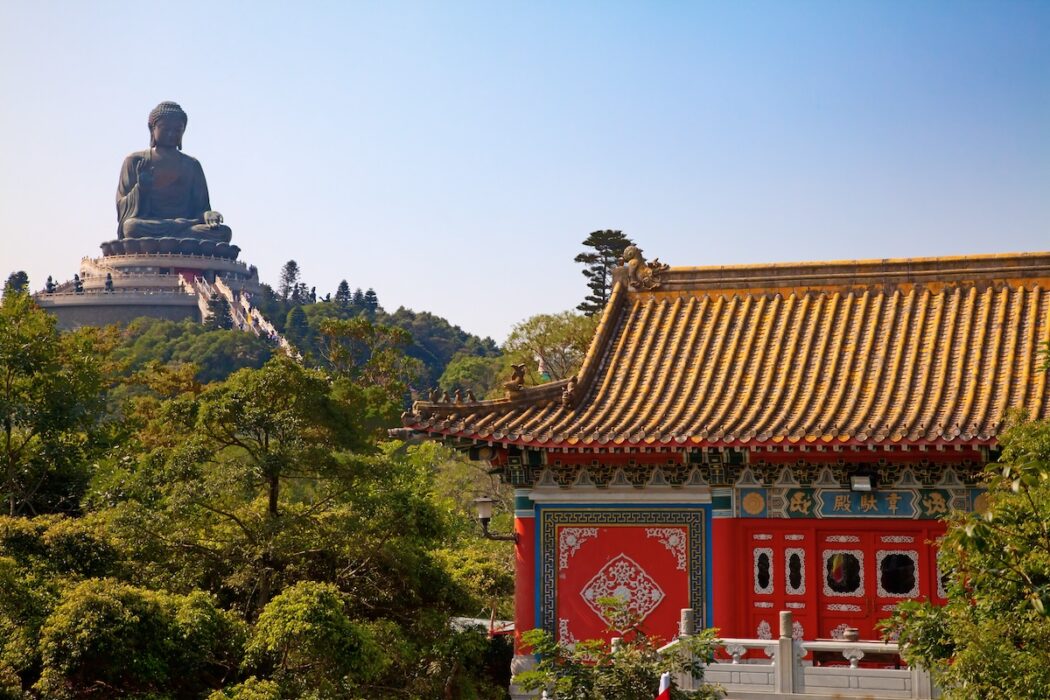
Discover Po Lin Monastery, a spiritual haven on Lantau Island, Hong Kong, home to the majestic Tian Tan Buddha. Explore its rich history and cultural significance.
<h2>Overview</h2><p>Nestled amidst the serene, lush mountains of Lantau Island in Hong Kong, the Po Lin Monastery stands as a significant spiritual and cultural landmark. Often referred to as 'the Buddhist World in the South', this prominent Chan Buddhist monastery offers a tranquil escape from the bustling city life. It is most famously associated with the majestic Tian Tan Buddha, often called the 'Big Buddha', a colossal bronze statue that sits prominently on a nearby peak. Visitors often combine a trip to the monastery with an ascent to the Big Buddha, enjoying breathtaking panoramic views of Lantau Island and the South China Sea. The monastery complex itself is a harmonious blend of traditional Buddhist architecture and natural landscapes, inviting introspection and a deeper appreciation of Buddhist culture.</p><p>Originally a humble 'Big Thatched Hut', Po Lin Monastery has grown into one of Asia's most significant Buddhist complexes, attracting millions of visitors and pilgrims annually. It serves not only as a place of worship for its devout monks but also as a center for advancing Buddhism and promoting Chinese culture, sculptural art, and landscape gardening. The monastery grounds feature various halls, including the Main Shrine Hall of Buddha and the Grand Hall of Ten Thousand Buddhas, along with a popular vegetarian restaurant.</p><h2>History & Cultural Background</h2><p>The origins of Po Lin Monastery trace back to 1906 when three monks, Venerables Da Yue, Dun Xiu, and Yue Ming, traveled from Jiangsu Province in China to Lantau Island. They established a site for Buddhist practice, initially known as 'The Big Thatched Hut'. This modest beginning marked the gradual rise of the Ch'an (Zen) School of Buddhism in Hong Kong. In 1924, the 'Big Thatched Hut' was officially renamed Po Lin Monastery, which translates to 'Precious Lotus', reflecting its blossoming spiritual significance. Venerable Ji Xiu became the first Abbot, transforming the desolate land into arable fields and fostering a rustic style of Buddhist Ch'an life.</p><p>A pivotal moment in the monastery's history was the construction of the Tian Tan Buddha. This monumental undertaking began in 1973 and was completed after 12 years of labor, finally unveiled in 1993. The Big Buddha, designed and cast by Po Lin Monastery, quickly became a global symbol of harmony among humanity, nature, and the divine, embodying Mahayana Buddhist teachings. The monastery's cultural contributions extend beyond the Big Buddha; it has been included in UNESCO's Tentative List for its cultural and spiritual significance and has made efforts to preserve Buddhist scriptures and promote education.</p><h2>What Makes It Special</h2><p>Po Lin Monastery's unique appeal lies in its combination of profound spiritual heritage, magnificent architectural grandeur, and its symbiotic relationship with the iconic Tian Tan Buddha. It is considered the most important Buddhist monastery in Hong Kong and is often hailed as the largest Buddhist temple in the region.</p><p>The monastery's architectural layout is particularly striking, with major buildings constructed along a central axis leading visitors through a series of impressive structures like the Hall of Skanda Bodhisattva, the Main Shrine Hall of Buddha, and the Grand Hall of Ten Thousand Buddhas. These edifices, adorned with red-lacquered pillars and green tiles, showcase an ancient Chinese building style.</p><p>What truly sets Po Lin apart is its role as the custodian of the Tian Tan Buddha. This 34-meter-tall, 250-ton bronze statue is one of the largest outdoor seated Buddha statues in the world, symbolizing peace and stability. The base of the Big Buddha houses a three-storey exhibition hall displaying invaluable Buddhist items, including relics. The journey of climbing 268 steps to reach the Buddha's pedestal offers not just a spiritual experience but also unparalleled vistas of the surrounding natural beauty.</p><h2>Stories, Fun Facts & Local Details</h2><p>One fascinating detail about Po Lin Monastery is its original moniker, 'The Big Thatched Hut', which speaks to its humble beginnings before its transformation into a world-renowned spiritual center. The name 'Po Lin' itself, meaning 'Precious Lotus', signifies purity and enlightenment in Buddhism.</p><p>For those seeking a deeper cultural immersion, the monastery offers a famous vegetarian restaurant. Dining here provides an authentic taste of monastic cuisine, prepared with natural ingredients, and often, purchasing a meal ticket grants access to the exhibition halls beneath the Big Buddha.</p><p>The monastery's commitment to spreading Buddhism and cultural preservation is evident in initiatives like the development of the Hall of Ten Thousand Buddhas, which echoes the grandeur of the Big Buddha, and its efforts in educational programs. It's a place where you might witness monks performing a ceremony, adding to the spiritual ambiance.</p><h2>Visitor Perspective</h2><p>Visiting Po Lin Monastery and the Big Buddha offers a journey for both the body and soul. The most popular and scenic way to reach Ngong Ping Plateau is via the Ngong Ping 360 cable car from Tung Chung, providing stunning aerial views of mountains and the sea. The 25-minute ride is an experience in itself, with Crystal Cabins offering a glass-bottom view for the adventurous.</p><p>Upon arrival, a short walk leads you to the monastery complex. The main halls are open for visitors, allowing a glimpse into active monastic life. The vegetarian restaurant is a popular stop, offering a wholesome meal that many travelers enjoy. While the monastery grounds offer much to explore, the focal point for many is undoubtedly the Tian Tan Buddha. Climbing the 268 steps to its base is a pilgrimage for some and a rewarding physical feat for others, culminating in awe-inspiring views and a close-up encounter with the massive bronze deity. Beyond the main attractions, visitors can also explore the Wisdom Path, a serene trail adorned with wooden steles inscribed with prayers.</p>
Location
Coordinates: 113.90789, 22.25551
View on Google Maps