Ngong Ping 360 & Big Buddha
Hong Kong, China

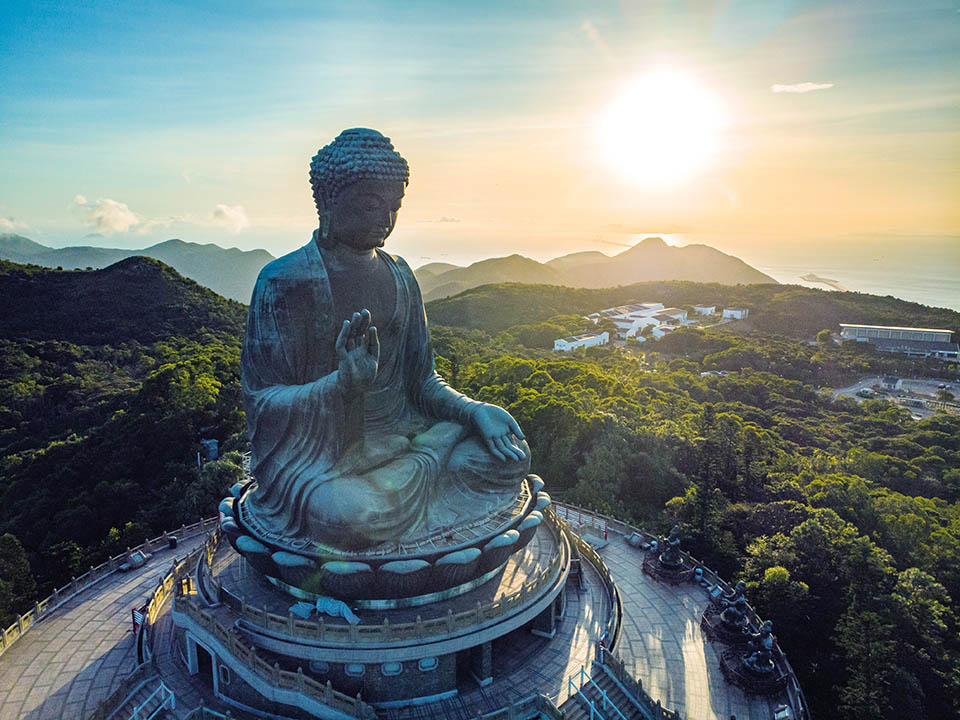
Discover Ngong Ping 360 & the Big Buddha on Lantau Island, Hong Kong. Soar over stunning landscapes, explore Po Lin Monastery, and climb to the iconic Tian Tan Buddha. An essential cultural and spiritual journey.
<h2>Overview</h2><p>Perched majestically on Lantau Island in Hong Kong, Ngong Ping 360 and the Tian Tan Buddha offer a journey that transcends mere sightseeing, blending breathtaking natural beauty with profound spiritual heritage. This iconic destination encompasses the stunning Ngong Ping Cable Car, a vibrant cultural village, the revered Po Lin Monastery, and the awe-inspiring Big Buddha statue. It provides an immersive experience, inviting travelers to explore the rich tapestry of Hong Kong's cultural landscape. From the moment you embark on the cable car ride, you are treated to expansive panoramic vistas of lush mountains, the vast South China Sea, and even the distant Hong Kong International Airport, setting the stage for a truly unforgettable encounter with peace and natural grandeur.</p><h2>History & Cultural Background</h2><p>The story of Ngong Ping 360 and the Big Buddha is one of vision and dedication. The Ngong Ping Cable Car system, initially known as the Tung Chung Cable Car Project, was conceived to provide improved access to the remote Ngong Ping plateau, an area already celebrated for the Po Lin Monastery and the majestic Tian Tan Buddha. Opened in 2006, its construction, which began in 2004, presented significant engineering challenges due to the natural environment, with some materials even requiring transport by mules. Today, it is proudly operated by the MTR Corporation.</p><p>The Tian Tan Buddha, affectionately known as the Big Buddha, is a remarkable bronze statue that was completed in 1993 after an impressive 12-year construction period. Commissioned by the monks of the Po Lin Monastery, it stands as a powerful symbol of the harmonious relationship between humanity and nature, and between people and religion. Its name, 'Tian Tan,' references Beijing's Altar of Heaven, underscoring its spiritual connection to the heavens and its role in fostering peace. The Po Lin Monastery itself has a rich history, founded in 1906 by three Buddhist monks from Jiangsu Province. Initially a humble retreat known as 'The Big Hut,' it was formally named Po Lin (meaning 'Precious Lotus') in 1924 and has since grown into a globally recognized Buddhist sanctuary.</p><h2>What Makes It Special</h2><p>Ngong Ping 360 offers a uniquely holistic experience. The 5.7-kilometer cable car journey, lasting approximately 25 minutes, is a highlight in itself, providing unparalleled 360-degree views. Travelers can choose between standard cabins or opt for the 'Crystal Cabins' with glass floors, offering an exhilarating perspective of the landscape beneath. Upon arrival, the Big Buddha awaits, standing at 34 meters tall and weighing 250 tons, making it the world's tallest outdoor seated bronze Buddha. Reaching the statue involves climbing 268 steps, an act often considered a symbolic pilgrimage. Surrounding the Buddha are six smaller bronze statues, known as 'The Offerings of the Six Devas,' presenting symbolic gifts.</p><p>Adjacent to the Big Buddha is the serene Po Lin Monastery, an active place of worship with magnificent architectural structures and a peaceful atmosphere. Within its main temple, you will find three bronze Buddha statues representing the past, present, and future lives. The monastery also boasts a popular vegetarian restaurant. Connecting these spiritual landmarks is Ngong Ping Village, a culturally themed hub designed with traditional Chinese architectural elements, offering a delightful array of shops, dining options, and cultural entertainment, including martial arts and Cantonese opera performances.</p><h2>Stories, Fun Facts & Local Details</h2><p>The construction of the Ngong Ping Cable Car was an incredible feat, with its location in a nature park meaning that much of the heavy lifting and material transport had to be done by hand or with the help of mules, particularly when poor visibility hindered helicopter operations. The Tian Tan Buddha's design carries deep symbolism; its north-facing orientation is quite unique for Buddha statues, as it signifies watching over and blessing the Chinese people. The three Buddha figures inside Po Lin Monastery's main hall serve as a beautiful reminder of the Buddhist concept of time and enlightenment, embodying the continuity of existence. Even in the modern Ngong Ping Village, traditional aesthetics are carefully preserved; for instance, the local 7-Eleven convenience store is notably decorated in traditional Chinese style, blending seamlessly with its surroundings. Visitors interested in quiet contemplation might also seek out the Wisdom Path, a tranquil area featuring large wooden steles inscribed with verses from the Heart Sutra, though it is occasionally closed for refurbishment.</p><h2>Visitor Perspective</h2><p>Visitors consistently rave about the awe-inspiring views from the Ngong Ping 360 cable car, often describing it as a 'must-do' experience in Hong Kong. The 'Crystal Cabins' are particularly recommended for those who enjoy an unobstructed, thrilling view of the terrain below, though they might not be for travelers with a fear of heights. To ensure a smooth visit, especially during peak seasons, it's highly advisable to book cable car tickets online in advance and consider visiting on weekdays to avoid larger crowds. Before planning your trip, always check the official Ngong Ping 360 website for any maintenance closures or operational updates, as service can be affected by weather conditions. Beyond the main attractions, the area offers a peaceful escape from the city's hustle and bustle, providing ample opportunities for quiet reflection and appreciation of nature and culture. Many travelers choose to extend their visit by exploring the nearby Tai O Fishing Village, offering another unique glimpse into Hong Kong's local life.</p>
Location
Coordinates: 113.9043, 22.2554
View on Google Maps