Plain of Arafat
Mecca, Saudi Arabia

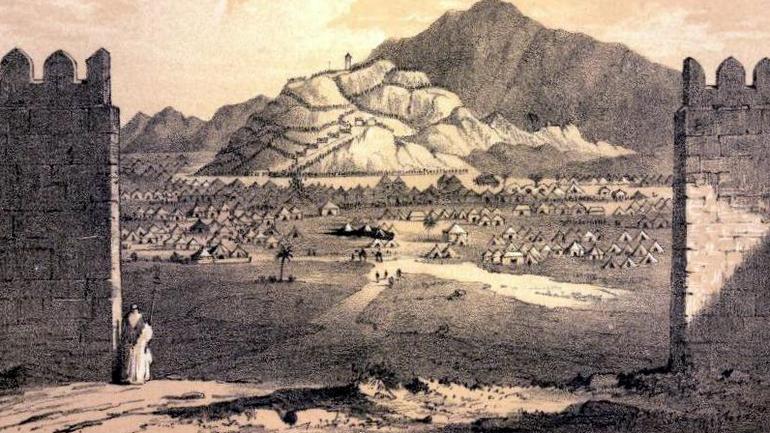
Discover the Plain of Arafat in Mecca, Saudi Arabia – a sacred site vital to the Hajj pilgrimage, rich in history, mercy, and spiritual significance.
<h2>Overview</h2><p>The Plain of Arafat, a vast and level expanse situated approximately 20 kilometers southeast of Mecca, Saudi Arabia, holds unparalleled significance in the Islamic faith. It is the sacred ground surrounding Mount Arafat, often referred to as Jabal al-Rahmah, or the 'Mountain of Mercy'. This entire area becomes the focal point of the Hajj pilgrimage on the 9th day of Dhul Hijjah, the twelfth month of the Islamic calendar, a day known as the Day of Arafah.</p><p>For millions of Muslim pilgrims from across the globe, presence on the Plain of Arafat on this specific day is not merely a ritual but the very essence and climax of the Hajj. Without standing here, the pilgrimage is considered incomplete. It transforms from a barren, uninhabited landscape into a vibrant sea of humanity, united in prayer and supplication. The Plain of Arafat symbolizes profound spiritual reflection, a moment for introspection, repentance, and seeking divine forgiveness and mercy.</p><h2>History & Cultural Background</h2><p>The history of the Plain of Arafat is deeply intertwined with foundational Islamic narratives and practices. It is the revered site where Prophet Muhammad (peace be upon him) delivered his Farewell Sermon (Khutbat al-Wada') to a gathering of his companions during his final pilgrimage. This powerful address, given towards the end of his life, outlined crucial principles of justice, equality, and adherence to Islamic teachings, leaving a lasting legacy for humanity.</p><p>Beyond the Farewell Sermon, Islamic tradition recounts that the Plain of Arafat is where Adam and Eve, after their descent from paradise, reunited and were granted forgiveness. This deeply symbolic event has led to Mount Arafat sometimes being referred to as Jabal ar-Rahmah, the 'Mountain of Mercy'. The acts of worship performed here resonate with the traditions first established by Prophet Abraham, whose original methods of Hajj were later restored by Prophet Muhammad.</p><p>The Day of Arafah itself is considered one of the holiest and most blessed days in Islam, a day when Allah (SWT) perfected the religion and completed His favor upon the Muslim community. It is a time of immense spiritual opportunity, marked by intensified prayer, remembrance of God, and fervent pleas for forgiveness, particularly between noon and sunset.</p><h2>What Makes It Special</h2><p>The unique sanctity of the Plain of Arafat stems from its pivotal role in the Hajj. The 'standing before God' (Wuquf) on this plain is the spiritual pinnacle of the pilgrimage, an act that cannot be missed for the Hajj to be valid. Pilgrims, dressed in the simple white garments of Ihram, stand shoulder to shoulder, erasing distinctions of nationality, wealth, or status, embodying profound unity and equality before their Creator.</p><p>This collective devotion fosters an atmosphere of unparalleled spiritual intensity. It is believed that on this day, Allah (SWT) descends to the nearest heaven, drawing close to those standing on Arafat and granting immense mercy and forgiveness. Prayers made here are considered especially powerful and likely to be accepted. The sheer number of believers gathered, all focused on repentance and supplication, creates a deeply moving and transformative experience for many.</p><h2>Stories, Fun Facts & Local Details</h2><p>The etymology of 'Arafat' offers multiple interpretations, each adding depth to its significance. Some suggest it derives from the Arabic root 'arafa', meaning 'to know' or 'to recognize', perhaps referring to the recognition between Adam and Eve, or humanity's recognition of God. Others link it to the act of pilgrims admitting their sins or recognizing the rites of Hajj. Yet another meaning is 'to give', symbolizing Allah's gifts of forgiveness to pilgrims on this day.</p><p>Mount Arafat itself, a modest granodiorite hill rising about 70 meters from the plain, is often called Jabal al-Rahmah. Its highest point is around 454 meters above sea level, and it features a white pillar marking the traditional spot where Prophet Muhammad delivered his sermon. Historically, Prophet Muhammad chose to deliver his sermon while seated on a camel, ensuring that a larger number of his companions could see and hear him.</p><p>While pilgrims performing Hajj are present on the plain for the Wuquf, non-pilgrims worldwide observe the Day of Arafah by fasting. This fast is highly recommended and is believed to expiate the sins of the preceding and coming year. The vast expanse of the Plain of Arafat, which remains empty for most of the year, is dramatically transformed into a bustling canvas of devotion, symbolizing the gathering of all humanity before God on the Day of Judgment.</p><h2>Visitor Perspective</h2><p>For those undertaking the Hajj, the Day of Arafah on the Plain of Arafat is an emotionally overwhelming and profoundly spiritual journey. It's a day spent in continuous prayer, reflection, and seeking closeness to the Divine. The sight of millions of fellow pilgrims, all in simple white attire, engaged in fervent supplication, fosters an immense sense of brotherhood and shared purpose.</p><p>Pilgrims describe feeling a deep connection to history, treading the same ground where prophets once stood and momentous events unfolded. The spiritual energy is palpable, often leading to tears and intense personal reflection. While the focus is entirely on spiritual devotion, practical aspects are managed for the comfort and safety of pilgrims. Large tents provide shade, and facilities for water, medical aid, and sanitation are available, though they can be strained by the sheer numbers. The Mecca Metro, operational since late 2010, assists in transporting pilgrims to and from this sacred plain, easing what was once a challenging 21 km walk.</p>
Location
Coordinates: 39.983601, 21.354524
View on Google Maps