Mount Arafat
Mecca, Saudi Arabia

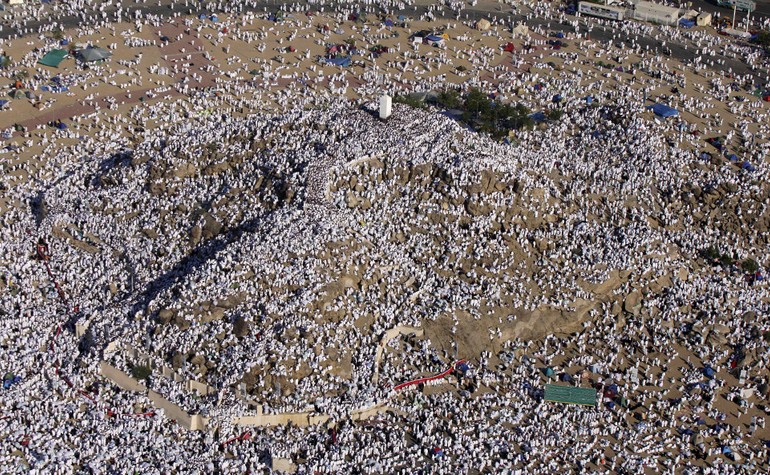
Discover Mount Arafat in Mecca, Saudi Arabia: a sacred granite hill central to the Hajj pilgrimage, where Prophet Muhammad delivered his Farewell Sermon. Learn its history and spiritual significance.
<h2>Overview</h2><p>Mount Arafat, also known as Jabal Arafat or Jabal ar-Rahmah, which translates to 'Mountain of Mercy', is a pivotal spiritual landmark situated approximately 20 to 22 kilometers southeast of Mecca, in Saudi Arabia. This modest granite hill, rising about 70 meters (230 feet) from the surrounding Plain of Arafat, holds immense significance in Islamic tradition. It is most famously known as the central location for one of the most critical rites of the annual Hajj pilgrimage.</p><p>Millions of Muslims gather here annually, transforming the vast plain into a sea of white as they perform the ritual of 'Wuquf', symbolizing a profound moment of reflection and prayer. While it is a key destination for pilgrims, its historical and spiritual resonance also attracts visitors outside the Hajj season, seeking to connect with centuries of faith and history.</p><h2>History & Cultural Background</h2><p>The history of Mount Arafat is deeply intertwined with foundational Islamic narratives. According to tradition, it is believed to be the place where Adam and Eve, after being cast out of paradise, reunited and were granted forgiveness by God. This poignant story of repentance and mercy is one of the reasons behind its endearing name, 'Mountain of Mercy'.</p><p>Centuries later, Mount Arafat became the site of another monumental event: Prophet Muhammad's Farewell Sermon (Khutbah al-Wada). During his final Hajj, in the ninth year of the Hijra, Prophet Muhammad stood on this sacred hill and delivered his last sermon to the assembled Muslims. His words laid down timeless principles, emphasizing equality, unity, and fundamental human rights, leaving a lasting legacy for all of humanity. This sermon is considered a cornerstone of Islamic teachings, making the mountain a place of profound reverence and historical importance.</p><h2>What Makes It Special</h2><p>The unparalleled significance of Mount Arafat lies in its central role during the Hajj, the annual pilgrimage that is one of the Five Pillars of Islam. The 9th day of Dhul Hijjah, the twelfth month of the Islamic calendar, is known as the Day of Arafat, and it is considered the most important day of the Hajj. On this day, pilgrims journey from Mina to the Plain of Arafat, where they spend the afternoon from noon until sunset in devout prayer and reflection, a ritual known as 'Wuquf'.</p><p>The ritual of 'standing' at Arafat is so crucial that the Hajj is considered incomplete or invalid without it. Pilgrims engage in intense supplication, seeking God's mercy and forgiveness for their sins. The atmosphere is one of overwhelming humility and devotion, as millions stand together, united in their faith, crying out to God. This collective act of worship on the Plain of Arafat is a powerful testament to the spiritual depth and communal bond of Islam.</p><h2>Stories, Fun Facts & Local Details</h2><p>The 'Mountain of Mercy' is more than just a geographical feature; it is imbued with stories that stir the soul. Many pilgrims, while performing the Wuquf on the plain, also ascend the hill to touch a white pillar that marks the traditional spot where Prophet Muhammad delivered his Farewell Sermon. While climbing the hill is not a mandatory Hajj rite, it offers a tangible connection to the Prophet's journey and a unique vantage point for personal reflection.</p><p>An interesting aspect for visitors to understand is that the primary ritual of Wuquf does not require standing on the peak of Mount Arafat itself, but anywhere within the vast Plain of Arafat. This detail underscores the spiritual essence over a physical location, emphasizing the collective act of devotion. The hill itself is composed of granodiorite rock, a geological detail that contrasts with the profound human history it hosts. The sight of millions of pilgrims, all dressed in simple white Ihram garments, praying in unison under the vast sky, is an awe-inspiring spectacle that transcends cultural barriers.</p><h2>Visitor Perspective</h2><p>For those interested in visiting Mount Arafat, it is generally accessible year-round, and there is no entry fee. However, during the Hajj season (particularly on the 9th of Dhul Hijjah), access to the area is strictly controlled and often restricted to pilgrims only due to the immense crowds and the logistical complexities of managing millions of people.</p><p>Outside of Hajj, visitors can reach Mount Arafat by private taxis or buses from Mecca. It is crucial to dress modestly and observe respectful behavior, reflecting the sacredness of the site. While the peak Hajj experience is unique, a visit outside this period still offers a profound sense of peace and a deep connection to Islamic history. The sheer scale of the Plain of Arafat and the stories it holds are enough to inspire a contemplative journey for any curious traveler.</p>
Location
Coordinates: 39.98389, 21.35472
View on Google Maps