Gardens of Versailles
Versailles, France

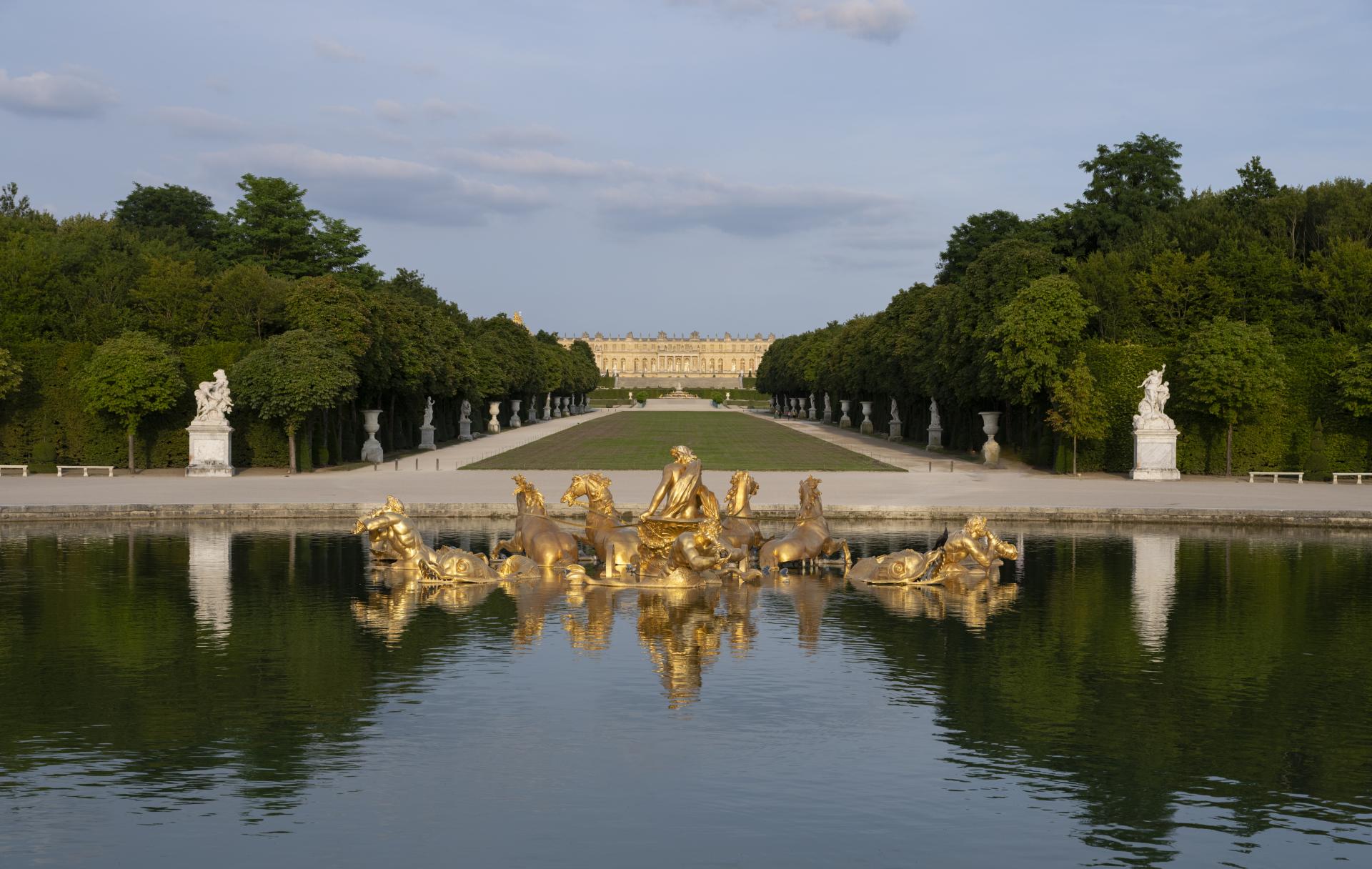
Explore the majestic Gardens of Versailles in Versailles, France, a masterpiece of French formal design, rich in history, art, and royal stories.
<h2>Overview</h2><p>Nestled within the grand Estate of Versailles in France, the Gardens of Versailles represent a monumental achievement in landscape design, serving as an enduring symbol of French classical artistry and royal ambition. Spanning approximately 800 hectares, these formal French gardens are an integral part of the Palace of Versailles, inviting visitors to wander through a meticulously sculpted natural world. More than just green spaces, they are an open-air museum, adorned with a staggering 400 statues and featuring 55 elaborate fountains, each contributing to the estate's dramatic flair. The layout includes intricate parterres, tranquil groves (known as bosquets), and the impressive Grand Canal, all designed to create a sense of infinite perspective and order.</p><h2>History & Cultural Background</h2><p>The creation of the Gardens of Versailles began in 1661 under the passionate direction of King Louis XIV, the 'Sun King,' who considered them as vital as the Palace itself. This colossal undertaking transformed the modest hunting grounds and garden of Louis XIII into an immense and opulent landscape over more than 40 years. The chief architect of this masterpiece was André Le Nôtre, Louis XIV's principal gardener, who collaborated with artists like Charles Le Brun and architects like Jules Hardouin-Mansart to realize the King's vision. The gardens exemplify the 17th-century French formal style, characterized by its strict symmetry, geometric patterns, and the triumph of human control over nature. This design was not merely aesthetic but also a powerful reflection of royal authority and the scientific spirit of the age. The gardens have required continuous maintenance and replanting throughout history, notably by Louis XVI and Napoleon III, and more recently following devastating storms in the late 20th century, ensuring their youthful appearance persists. In recognition of their immense cultural importance, the Gardens, along with the Château, were inscribed on the UNESCO World Heritage List in 1979.</p><h2>What Makes It Special</h2><p>What truly sets the Gardens of Versailles apart is their sheer scale combined with an extraordinary level of artistic and hydraulic engineering. Le Nôtre's design masterfully uses perspective, creating dramatic vistas such as the 'Grande Perspective' stretching from the Water Parterre towards the horizon, punctuated by the Grand Canal. The gardens feature 15 distinct groves, initially conceived as 'green salons' for royal festivities, each with its unique character, fountains, and sculptures. The famed Orangery is another highlight, housing nearly 1,500 orange, lemon, and other exotic trees. The intricate hydraulic system, much of which dates back to Louis XIV's reign, powers the numerous fountains, bringing water features like the Latona Fountain and Apollo's Fountain to life. During specific periods, the 'Musical Fountains Shows' and 'Musical Gardens' events allow visitors to experience the synchronized play of water and Baroque music, evoking the grandeur of the Sun King's era.</p><h2>Stories, Fun Facts & Local Details</h2><p>Louis XIV was deeply involved in the gardens' creation, even authoring 'Manière de montrer les jardins de Versailles' ('How to show the gardens of Versailles'), a guide for his visitors. The groves served as more than just pathways; they were open-air venues for court entertainment, banquets, and musical performances. A testament to the gardens' resilience, they undergo periodic replanting, approximately every 100 years, to maintain their original design and health. A particularly devastating storm in December 1999 led to a significant replanting effort, restoring the gardens to their 17th-century glory. The Grand Canal, a centerpiece of the gardens, was once used for gondola rides and naval battles, adding to the spectacle of royal life. In a nod to contemporary artistry, the 'Bosquet du Théâtre d'Eau,' destroyed by Louis XVI, was reimagined and reopened in the 21st century by landscape architect Louis Benech and artist Jean-Michel Othoniel.</p><h2>Visitor Perspective</h2><p>The Gardens of Versailles are open daily, offering a serene escape for visitors. While access is generally free, there is an entrance fee on days when the 'Musical Fountains Shows' or 'Musical Gardens' events are taking place, a highly recommended experience to witness the fountains in their full glory accompanied by period music. A visit typically requires at least two to three hours to appreciate the vastness and details. It's advisable to obtain a map of the estate, available at entrances or through the official Palace of Versailles app, which also offers audio tours. To avoid the busiest times, arriving early in the morning is recommended. The gardens evolve with the seasons, offering different charms; while spring and summer showcase blooms and fountain displays, autumn brings vibrant foliage. Some groves may be closed during the low season to ensure optimal conservation.</p>
Location
Coordinates: 2.115641, 48.806101
View on Google Maps