Weeping Column
Istanbul, Turkey
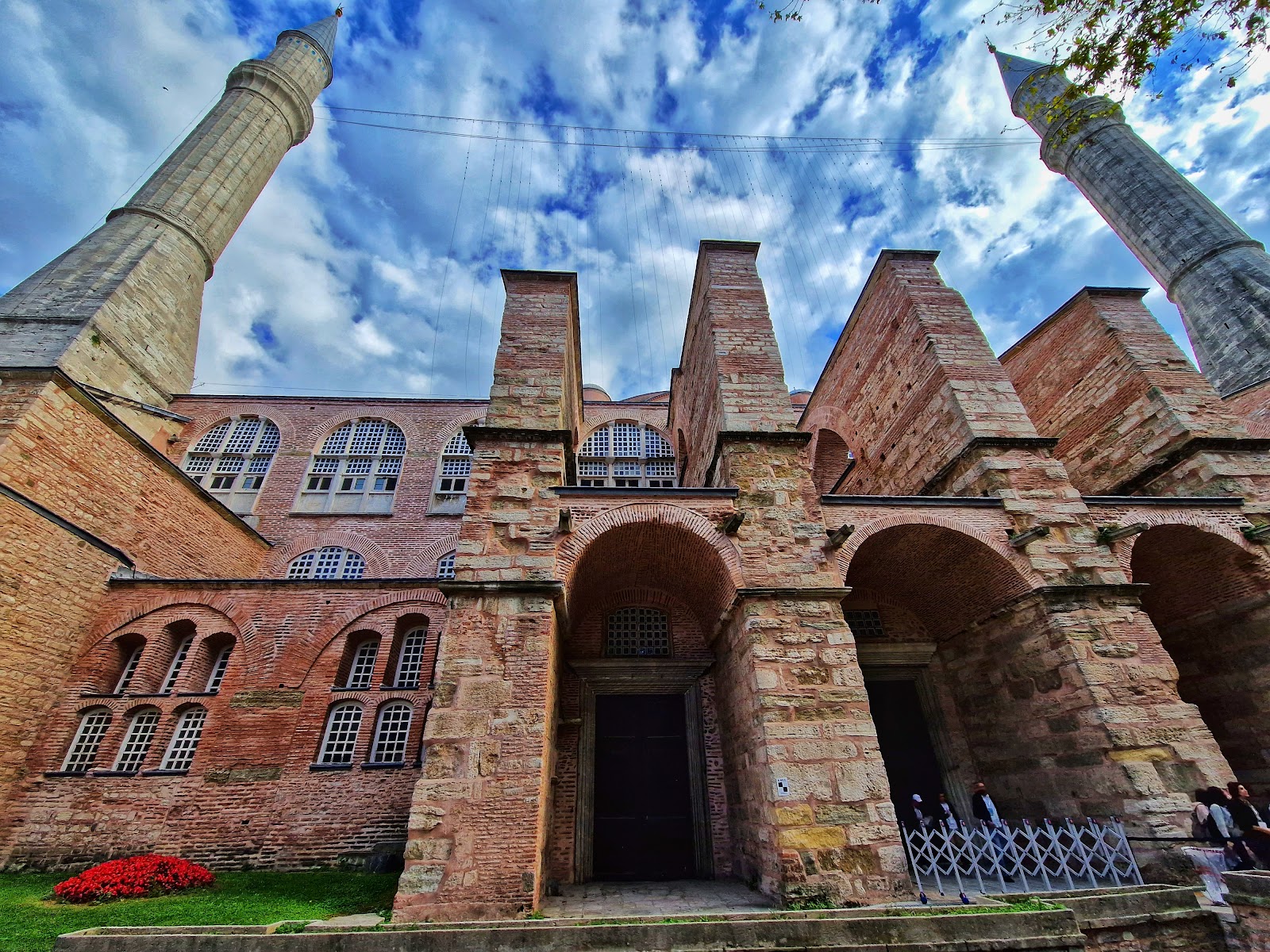
Discover Istanbul's mysterious Weeping Column in Hagia Sophia, a marble wonder rumored to grant wishes and heal ailments. Explore its legends and history.
<h2>Overview</h2><p>Deep within the ancient walls of Istanbul's magnificent Hagia Sophia lies a subtle yet profoundly intriguing feature known as the 'Weeping Column,' also frequently referred to as the 'Wishing Column' or the 'Column of Saint Gregory.' Tucked away in the building's northwest corner, this column, largely unassuming in its appearance, draws continuous lines of curious visitors. Made of marble and distinguished by a copper plate that covers its lower section, the column features a small, thumb-sized hole. It is perpetually moist to the touch, a characteristic that has fueled centuries of captivating folklore and spiritual practices. The Weeping Column is not merely a structural element; it is a living testament to the Hagia Sophia's enduring legacy as a place of wonder, healing, and heartfelt desires, inviting all who visit to engage with its mysterious past and present.</p><p>For many, interacting with the Weeping Column is an essential part of the Hagia Sophia experience. Visitors partake in a ritual, inserting their thumb into the column's hole and rotating it while making a wish. The belief is that if one's thumb emerges moist, the wish will be granted, or an ailment will be healed. This simple act connects modern-day travelers to generations of pilgrims who have sought solace, cures, and blessings from this unique artifact.</p><h2>History & Cultural Background</h2><p>The Hagia Sophia itself boasts a history spanning over 1,500 years, beginning with its construction as an Eastern Orthodox cathedral by the Byzantine Emperor Justinian I in the 6th century. It served as the heart of Orthodox Christianity for nearly a millennium before its conversion into a mosque following the Ottoman conquest of Constantinople in 1453. Later, it became a museum in 1935, only to be re-designated as a mosque in 2020. Throughout these transformations, the Weeping Column has remained a constant, accumulating layers of cultural and spiritual significance from both Christian and Islamic traditions.</p><p>Legends surrounding the column date back to the Byzantine era. One popular tale suggests that Emperor Justinian himself found relief from a severe headache by leaning against this very column, an event that first sparked beliefs in its healing capabilities. Another tradition links the moisture of the column to Saint Gregory the Miracle Worker, who is said to have appeared near it around 1200 AD, endowing it with a healing liquid.</p><h2>What Makes It Special</h2><p>The Weeping Column's unique allure stems from its tangible connection to centuries of faith, folklore, and the shared human desire for healing and hope. Unlike other grand architectural elements in Hagia Sophia, the column's power lies not in its size or ornate decoration, but in its mysterious, persistent dampness and the intimate ritual it inspires. This moisture, often debated by historians and scientists, is explained by various legends, adding to its mystique.</p><p>It stands as a rare physical touchstone within a monument that has witnessed the ebb and flow of empires and religions. Visitors from across the globe, irrespective of their beliefs, are drawn to perform the simple, hopeful act of placing their thumb in its hole, perpetuating a tradition that bridges cultural divides and historical epochs. The column's location, in the building's northwest, makes it a pilgrimage site within the larger historical context of Hagia Sophia.</p><h2>Stories, Fun Facts & Local Details</h2><ul><li><strong>The Tears of the Virgin Mary:</strong> One poignant legend attributes the column's perpetual moisture to the tears of the Virgin Mary. It's said her tears, shed upon learning of Jesus's crucifixion, melted the column and sanctified it. This sacred origin story adds profound emotional depth to the column's 'weeping' quality.</li><li><strong>A Sultan's Sympathy:</strong> Another less common but equally evocative legend suggests the column weeps out of compassion for a sultan's suffering, contributing to its nickname, the 'Weeping Column.'</li><li><strong>The Ephesus Connection:</strong> Some sources suggest that the marble for the Weeping Column, like other parts of Hagia Sophia, may have been sourced from ancient sites such as the Temple of Artemis at Ephesus, weaving an even richer tapestry of historical significance.</li><li><strong>A Continuously Used Ritual:</strong> Despite the passing of centuries and shifts in Hagia Sophia's religious function, the ritual of touching the column for wishes and healing has remarkably endured, demonstrating the powerful human need for connection to the sacred. Visitors line up patiently for their turn, an informal yet deeply respected tradition.</li></ul><h2>Visitor Perspective</h2><p>Experiencing the Weeping Column firsthand offers a unique, interactive moment within the grandeur of Hagia Sophia. It's a chance to step beyond architectural admiration and engage with the living history and spirituality of the place. Standing in line, observing others, and then placing your own thumb into the cool, damp hole creates a personal connection to a timeless ritual. Many describe feeling a sense of wonder, hope, or even a fleeting touch of the sacred. The column serves as a powerful reminder that even in monumental structures, it's often the small, whispered traditions that truly resonate and remain cherished by generations of visitors to Istanbul. It is a moment of quiet introspection and a link to the collective human experience of seeking comfort and miracles.</p>
Location
Coordinates: 28.980261, 41.008469
View on Google Maps