Victoria Peak
Hong Kong, China

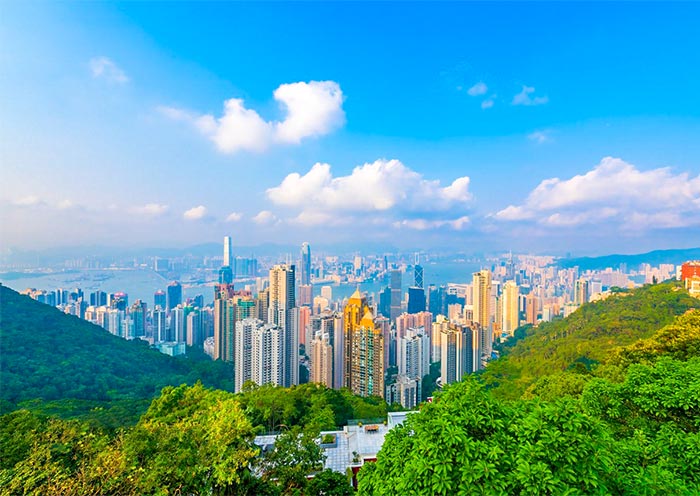
Discover Victoria Peak, Hong Kong, China's iconic summit. Enjoy panoramic city views, ride the historic Peak Tram, and explore its rich colonial history.
<h2>Overview</h2> <p>Perched majestically on the western half of Hong Kong Island, Victoria Peak, often simply called 'The Peak' or Mount Austin, stands as Hong Kong's most iconic landmark and premier tourist destination. Rising 552 metres (1,811 feet) above sea level, it is the tallest hill on Hong Kong Island and the 29th tallest in the entire territory. Annually, millions flock to this natural vantage point to witness one of the world's most spectacular urban panoramas. The Peak offers breathtaking 360-degree views encompassing the dense cityscape of Central, the vibrant Victoria Harbour, the tranquil Lamma Island, and the sprawling New Territories. While the true summit houses a radio telecommunications facility and is not accessible to the public, the surrounding area, including Victoria Gap and Victoria Peak Garden, provides ample opportunities for visitors to soak in the stunning vistas.</p> <h2>History & Cultural Background</h2> <p>The allure of Victoria Peak dates back to the 19th century, when it became a coveted retreat for European residents seeking respite from Hong Kong's subtropical heat and humidity. Governor Sir Richard MacDonnell established a summer residence on the Peak around 1868, setting a trend for other wealthy inhabitants to build their homes there. Initially, access to these elevated homes was challenging, relying on sedan chairs carried by personal staff up the steep slopes.</p> <p>A pivotal moment in the Peak's history arrived on 30 May 1888 with the inauguration of the Peak Tram, Asia's first funicular railway. This innovation transformed accessibility, allowing more people to experience the cooler climes and scenic beauty. Between 1904 and 1947, the Peak was designated an exclusive residential area reserved solely for expatriates, a policy that underscored its prestige and colonial legacy. Today, Victoria Peak stands as a compelling symbol of cultural fusion, where British colonial aspirations intertwined with Chinese geographical wisdom, creating a unique heritage landscape that continues to define Hong Kong's distinctive identity.</p> <h2>What Makes It Special</h2> <p>Victoria Peak's primary draw is undeniably its unparalleled panoramic views. From its various viewpoints, visitors are treated to a dynamic tableau: the gleaming skyscrapers of Central, the incessant activity of Victoria Harbour, and on clear days, distant islands and mountains. The journey to the Peak itself is an integral part of the experience, particularly when undertaken via the historic Peak Tram. This funicular railway ascends nearly 400 metres over a mere 1,278 metres, offering a thrilling 10-minute ride. The steep incline, ranging from 4 to 25.7 degrees, creates a unique optical illusion, making the surrounding buildings appear to tilt.</p> <p>Upon arrival, visitors can explore facilities like The Peak Tower and Peak Galleria, which host restaurants, shops, and attractions. The Sky Terrace 428, Hong Kong's highest observation deck atop The Peak Tower, provides an unobstructed 360-degree vista from 428 metres above sea level. For those seeking free viewing options, the Lion's Pavilion, Lugard Road Lookout, and the rooftop deck of Peak Galleria offer magnificent perspectives.</p> <h2>Stories, Fun Facts & Local Details</h2> <ul> <li><strong>The Governor's Seat:</strong> From 1908 to 1949, the first two seats in the Peak Tram were famously reserved for the Governor of Hong Kong, marked with a brass plaque. These seats were only released to ordinary passengers two minutes before departure.</li> <li><strong>Asia's First Funicular:</strong> The Peak Tram, opened on May 30, 1888, holds the distinction of being the first cable funicular railway in Asia. Its construction significantly opened up the Peak for development and tourism.</li> <li><strong>The Peak Hotel:</strong> Before the tram's full impact, Alexander Findlay Smith, the tram's visionary, aimed to boost business for his Peak Hotel, which opened in 1873. Unfortunately, the hotel was destroyed by fire in 1938.</li> <li><strong>Sedan Chair Rest Stop:</strong> The historically significant Peak Lookout Restaurant, originally built in 1901, served as a stable and resting spot for sedan chair carriers before it became a restaurant in 1947.</li> <li><strong>Highest Publicly Accessible Point:</strong> While the actual summit is closed, Victoria Peak Garden, a public park on Mount Austin Road, sits on the site of the former Governor's summer residence and is considered the highest point accessible to the public, offering free scenic views and walking paths.</li> </ul> <h2>Visitor Perspective</h2> <p>Visiting Victoria Peak is an immersive experience. Many choose the Peak Tram for its historical significance and unique ride. Planning ahead is often recommended, especially for tram tickets, to avoid potentially long queues. The weather plays a crucial role in the views, with clear mornings or sunset offering the most spectacular sights. A common tip is to arrive around 5 PM to witness the transition from daylight to the sparkling night skyline.</p> <p>Beyond the main viewing platforms, the Peak offers several walking trails. The Peak Circle Walk, a 3.5-kilometer path along Lugard and Harlech Roads, provides continuous panoramic views of Victoria Harbour, Kowloon, and even parts of the South China Sea. For those who prefer a more relaxed pace, Victoria Peak Garden provides a tranquil escape with its Victorian-style design and sweeping vistas, without the crowds of the commercial centers. Whether you seek thrilling rides, stunning photography opportunities, or peaceful walks, Victoria Peak offers a memorable perspective on Hong Kong's dynamic landscape and rich heritage.</p>
Location
Coordinates: 114.145523, 22.275822
View on Google Maps