Upper Chapel Stained Glass Windows
Paris, France

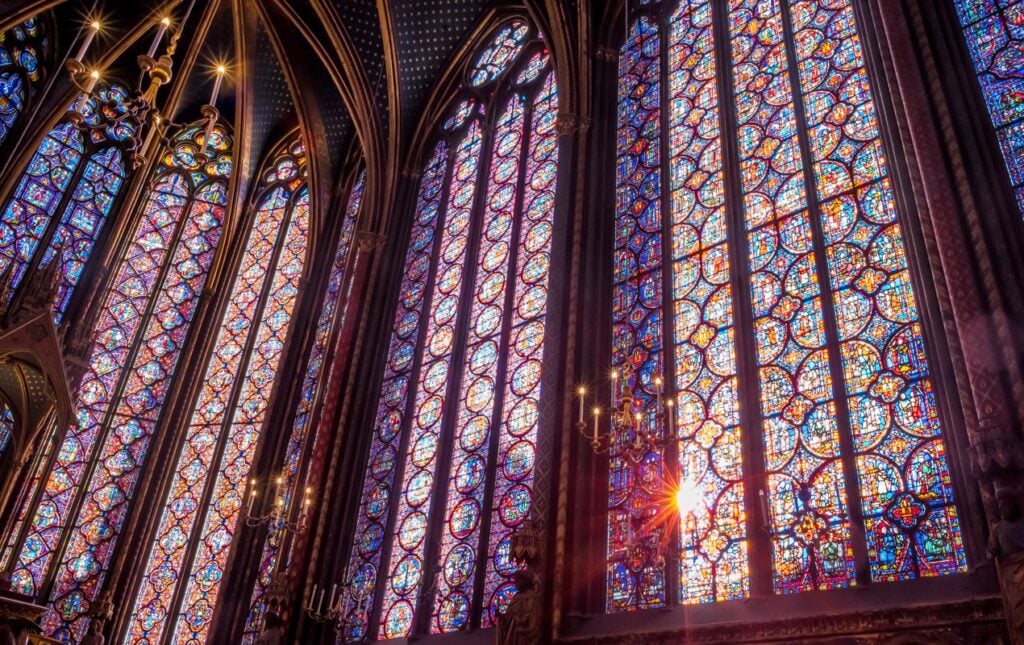
Discover the ethereal beauty of Sainte-Chapelle's Upper Chapel stained glass windows in Paris, France. Explore 1,100+ biblical scenes and Gothic artistry.
<h2>Overview</h2><p>Stepping into the Upper Chapel of Sainte-Chapelle in Paris is an unforgettable experience, often described as entering a colossal jewel box or a kaleidoscope of light. This architectural marvel, nestled within the historic Palais de la Cité, is famed worldwide for its breathtaking stained glass windows. They constitute one of the most extensive and well-preserved collections of 13th-century stained glass anywhere, transforming the space into an ethereal realm of color and storytelling.</p><p>Occupying nearly 618 square meters, these magnificent windows rise to a height of 15 meters, enveloping the visitor in a vibrant narrative. Over 1,100 intricate scenes from the Bible unfold across fifteen towering panels, creating a visual symphony that has captivated pilgrims and travelers for centuries. Two-thirds of this dazzling glass remains original, offering a rare glimpse into medieval artistry and devotion.</p><h2>History & Cultural Background</h2><p>The Sainte-Chapelle itself was a bold statement commissioned by King Louis IX of France, later canonized as Saint Louis, in the mid-13th century. Built in an astonishingly short period—just seven years, between 1241 and 1248—its primary purpose was to house his invaluable collection of Passion relics, including Christ's Crown of Thorns, which he acquired at great expense.</p><p>The Upper Chapel was designed exclusively for the King, his family, and close guests, serving as a private sanctuary for royal worship and the veneration of these sacred objects. The stained glass windows were not merely decorative; they were a profound expression of faith and a powerful tool for spiritual instruction. In an era when most people were illiterate, these glowing panels functioned as a 'visual Bible,' narrating sacred history from Genesis to Revelation, making complex biblical stories accessible to all who gazed upon them. They also subtly reinforced the King's divine authority and piety.</p><h2>What Makes It Special</h2><p>What truly sets the Upper Chapel's stained glass windows apart is their audacious design, pushing the boundaries of Gothic architecture to create walls of pure light. The structural stone elements are reduced to a minimal, delicate framework, allowing for an unprecedented expanse of glass. This innovative approach floods the chapel's interior with a radiant, otherworldly glow, particularly when sunlight streams through.</p><p>The predominant hues of deep blues and vibrant reds, characteristic of the 13th-century Parisian glass, along with greens, purples, and yellows, create a dazzling interplay of color that shifts throughout the day. Each panel is meticulously crafted, featuring biblical figures and intricate compositions that demonstrate the pinnacle of medieval craftsmanship. The exquisite Rose Window, added in the 15th century, offers a distinct style with its portrayal of the Apocalypse in 89 panels, utilizing new techniques like silver stain to achieve finer details.</p><h2>Stories, Fun Facts & Local Details</h2><ul><li><p><strong>A Royal Reliquary:</strong> King Louis IX paid an astronomical sum for the Crown of Thorns, making the Sainte-Chapelle essentially a magnificent, inverted reliquary—instead of being ornate on the outside, its true artistry and sacred purpose were revealed within.</p></li><li><p><strong>Medieval 'Comic Book':</strong> With 1,113 scenes, the windows were designed to be 'read' like a gigantic comic book, illustrating the biblical narrative and the story of the relics' arrival in Paris. While not every detail was meant to be deciphered, the overall effect was one of divine illumination.</p></li><li><p><strong>A King's Appearance:</strong> Look closely at the southern side's last window, and you might spot King Louis IX himself, integrated into this vast biblical genealogy, symbolically aligning himself as a worthy intercessor between his people and God.</p></li><li><p><strong>Survival Against Odds:</strong> These precious windows have survived centuries of history, including the French Revolution and both World Wars. During these turbulent times, the glass panels were carefully dismantled and stored to protect them from damage, a testament to their enduring value.</p></li><li><p><strong>Artistic Collaboration:</strong> Historians believe that the 13th-century glass was produced by at least three different workshops, each contributing its unique stylistic flair to this grand masterpiece, though the individual artisans largely remain anonymous.</p></li></ul><h2>Visitor Perspective</h2><p>For any traveler, experiencing the Upper Chapel of Sainte-Chapelle is a profound journey. After ascending a narrow spiral staircase from the comparatively subdued Lower Chapel, visitors are immediately struck by the sudden explosion of light and color. It's a moment of awe that often leaves people speechless.</p><p>To truly appreciate the windows' splendor, aim to visit on a sunny day. The natural light streams through the glass, illuminating the vibrant hues and making the thousands of tiny glass pieces shimmer. Late morning or early afternoon often provides the best lighting conditions. Be prepared for security checks, as Sainte-Chapelle is located within the Palais de Justice complex, and note that large bags or luggage are not permitted inside.</p>
Location
Coordinates: 2.34483, 48.855358
View on Google Maps