Times Square Marquees
New York, United States

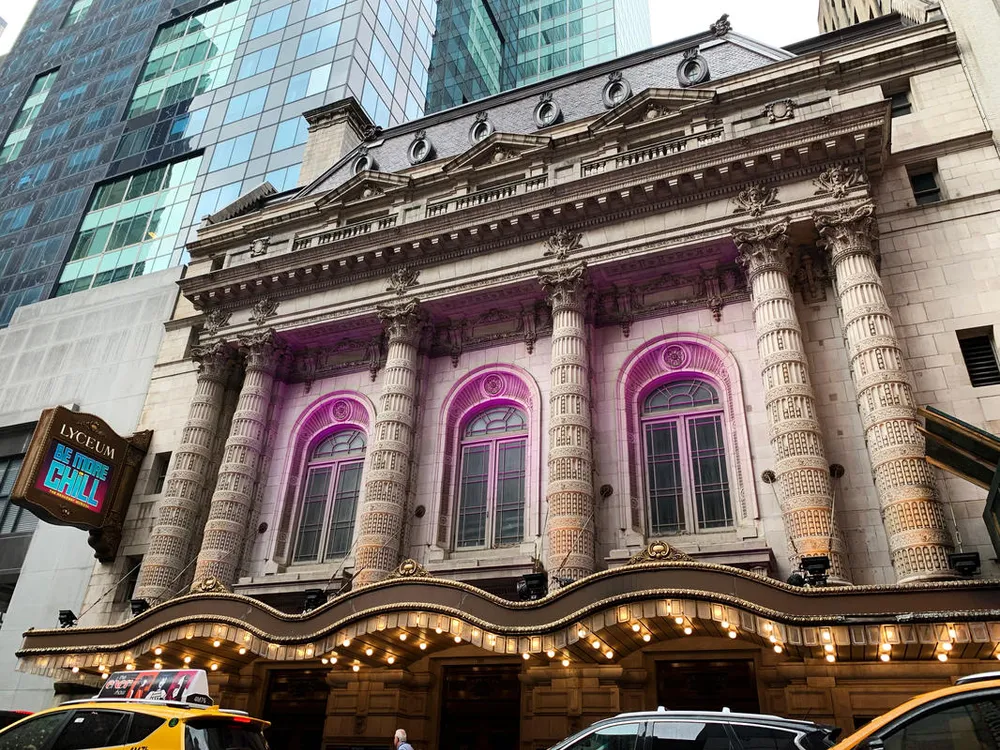
Discover the dazzling Times Square Marquees in New York, United States. Explore their fascinating history, technological evolution, and cultural significance.
<h2>Overview</h2><p>The Times Square marquees are arguably the most iconic visual element of New York City's famed Broadway / Theater District, located in New York, United States. These dazzling, larger-than-life illuminated signs define the 'Crossroads of the World' and contribute significantly to its nickname, 'The Great White Way.' Far more than mere advertisements, they are a pulsating canvas of light, technology, and culture, drawing millions of visitors annually into a truly unparalleled urban spectacle.</p><p>Standing amidst the glowing canyons of Times Square, surrounded by these towering digital displays, is a quintessential New York experience. They are an inseparable part of the cityscape, a vibrant testament to ingenuity and commerce that transforms night into day and leaves an indelible mark on every visitor's memory.</p><h2>History & Cultural Background</h2><p>Before its current dazzling incarnation, the area was known as Longacre Square, a relatively quieter hub for carriage manufacturing. The transformation began in 1904 when The New York Times newspaper moved its headquarters to a newly erected building at 42nd Street and Broadway, leading to the renaming of the square to Times Square.</p><p>That same year, the first electric billboards made their appearance, with Trimble Whiskey often credited for installing one of the earliest. A pivotal figure in this early electrification was Oscar Gude, an electrical engineer who almost single-handedly transformed Times Square into America's premiere outdoor advertising market. He pioneered the use of incandescent bulbs to create dynamic advertising, leading to increasingly elaborate and animated displays.</p><p>The 1920s saw a boom in these illuminated signs, solidifying Times Square's reputation. A notable innovation was the Motograph News Zipper, which debuted in 1928, wrapping around the New York Times building and continuously scrolling news headlines, captivating passersby. While Times Square faced periods of decline in the mid-20th century, particularly in the 1970s and 80s, revitalization efforts in the 1990s, supported by zoning ordinances that mandated illuminated signs, brought back and amplified its brilliance.</p><h2>What Makes It Special</h2><p>The Times Square marquees are distinctive for several reasons. Firstly, their sheer density and scale are unmatched globally, creating an immersive environment where light overtakes the natural world. Unlike other urban centers, Times Square operates under a unique zoning ordinance that requires building owners to display illuminated signs, effectively making the area a mandated gallery of light.</p><p>Technologically, these marquees have continuously evolved from simple incandescent bulbs to complex neon installations, and now, cutting-edge LED screens. Modern displays can feature millions of LEDs, spanning entire building facades, offering incredible resolution and dynamic content that blurs the line between advertising and art. This constant technological advancement ensures the spectacle remains fresh and awe-inspiring.</p><p>Furthermore, they serve as powerful cultural landmarks, not merely commercial platforms. They reflect societal trends, showcase artistic creativity, and embody the fast-paced energy of New York City, contributing significantly to the city's identity and global allure.</p><h2>Stories, Fun Facts & Local Details</h2><ul><li><strong>The Great White Way's Architect:</strong> Oscar Gude, a visionary electrical engineer, was instrumental in shaping the early illuminated landscape of Times Square, designing over 20 elaborate electric billboards in the early 1900s.</li><li><strong>Smoking Billboards:</strong> One of the most famous historical marquees was the Camel billboard from 1941 to 1966, located on the Claridge hotel. It featured a man whose 'smoke' rings were generated by a machine behind the sign, puffing steam into Times Square every few seconds.</li><li><strong>New Year's Eve Icon:</strong> The New Year's Eve ball drop, a world-famous tradition, takes place on One Times Square, a building whose original facade is now largely obscured by massive billboards, a testament to the area's iconic signage.</li><li><strong>Digital Giants:</strong> Modern Times Square displays are incredibly complex, with some featuring up to 12 million LEDs, requiring miles of electrical cable and structural steel to support them, essentially becoming monumental pieces of architecture.</li><li><strong>A Living Canvas:</strong> Brands like Coca-Cola, Netflix, and Disney often maintain a permanent presence on Times Square's marquees, using them as a continuous, high-visibility platform that never goes dark.</li></ul><h2>Visitor Perspective</h2><p>For visitors, the Times Square marquees offer an overwhelmingly sensory experience. The sheer luminosity is breathtaking, creating an almost perpetual twilight even at midday. It's a place where the vibrant energy of New York City is palpable, an electrifying atmosphere that makes you feel truly at the center of the world.</p><p>Strolling through the pedestrian-only zones, visitors can pause to gaze up at the towering screens, watch the dynamic content unfold, and marvel at the endless stream of advertisements and artistic displays. It's a prime spot for people-watching, soaking in the diverse crowds, and capturing unforgettable photographs of this dazzling urban landscape. The famous TKTS booth, with its bright red steps, offers a unique vantage point to take in the spectacle while also providing discounted Broadway show tickets.</p><p>The marquees are not just sights; they are an experience, inviting travelers to become part of the city's ceaseless pulse, where every flash of light tells a story of ambition, innovation, and the vibrant spirit of New York.</p>
Location
Coordinates: -73.9858, 40.7575
View on Google Maps