The Royal Tomb
Cancún, Mexico

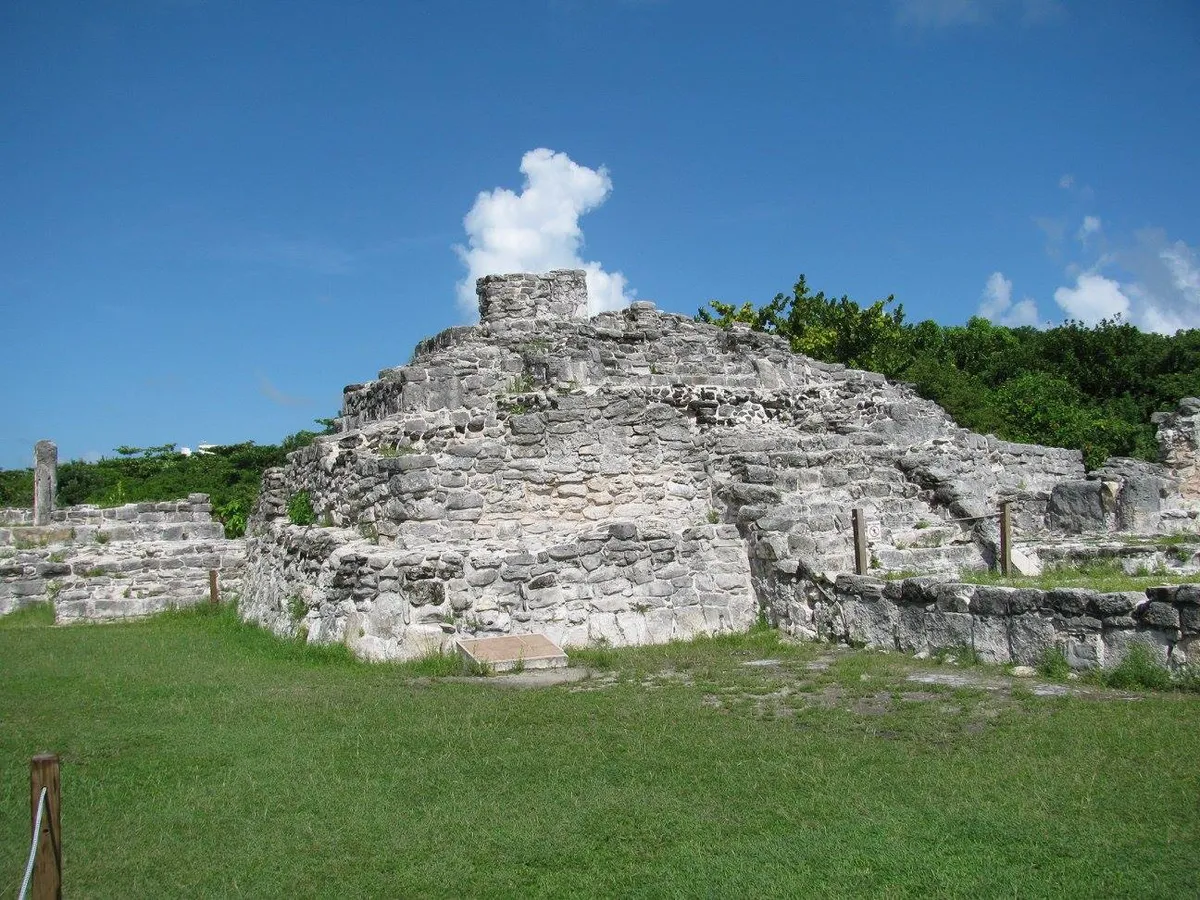
Discover the 'Royal Tomb' at El Rey Ruins in Cancún, Mexico, exploring elite Mayan burials and the historical significance of this ancient coastal city.
<h2>Overview</h2><p>Nestled within Cancún's vibrant Hotel Zone lies the intriguing archaeological site of El Rey Ruins, a testament to the ancient Maya civilization that once thrived along the Caribbean coast. Among its many structures, the concept of 'The Royal Tomb' resonates deeply, representing the significant discoveries of elite burials that reveal much about El Rey's past rulers and high-ranking individuals. While not a single, designated structure named 'The Royal Tomb,' archaeologists have unearthed multiple burial sites of prominent figures within the ceremonial platforms and temples of El Rey, solidifying its role as a sacred resting place for its ancient elite. This compact yet historically rich site invites visitors to step back in time, offering a glimpse into the spiritual and social fabric of a bustling pre-Columbian Mayan port town in Mexico.</p><p>El Rey, meaning 'The King' in Spanish, was aptly named after a sculpture of a monarch found here, now housed in the nearby Museo Maya de Cancún. This name itself hints at the royal presence that once commanded this maritime trading post.</p><h2>History & Cultural Background</h2><p>El Rey's history spans a remarkable period, with evidence suggesting initial settlements as early as 300 BCE, flourishing significantly between 1200 and 1550 AD during the Late Postclassic period. The site's strategic location along the Nichupté Lagoon and the Caribbean Sea made it a crucial hub in the extensive Mayan trade network, connecting it with other important coastal cities like Tulum and Xcaret. The inhabitants were skilled fishermen and salt producers, vital commodities in the ancient Mayan world.</p><p>Mayan culture placed immense importance on ancestral veneration, and the burial practices of their elite were elaborate, reflecting their status and belief in an afterlife. Rulers and nobles were often interred within or beneath the very structures they governed, transforming temples and palaces into eternal memorials. These burials were not merely resting places but sacred spaces, often accompanied by valuable offerings intended to assist the deceased in their journey through the underworld and to maintain their connection to the living realm. The archaeological findings at El Rey align with these profound cultural traditions, offering tangible links to the beliefs and lives of its ancient leaders.</p><h2>What Makes It Special</h2><p>What makes 'The Royal Tomb' at El Rey truly special is not its singularity, but rather the collective narrative it weaves about the site's importance as a center of power and spirituality. While specific details of every burial remain a subject of ongoing study, the discovery of a high-ranking individual's burial site within a prominent pyramid, specifically Structure 2, stands out. Unearthed in 1975, this particular tomb contained the skeletal remains of a presumed ruler or nobleman, accompanied by significant grave goods such as a copper axe, intricate ornaments made of seashells, and bone, and jade beads. These artifacts are invaluable, providing archaeologists with concrete evidence of the sophisticated craftsmanship, wealth, and status of El Rey's leadership.</p><p>Furthermore, the sheer number of burials found across the site – over 500 identified beneath residential platforms – suggests a densely populated and socially stratified community where reverence for ancestors was deeply ingrained. This makes El Rey a unique window into the funerary customs of a Caribbean Mayan port, offering insights that complement those from larger inland ceremonial centers. The presence of these elite burials underscores El Rey's past as more than just a trading post; it was a place where leaders held sway, guided by celestial observations and intricate spiritual beliefs.</p><h2>Stories, Fun Facts & Local Details</h2><p>One fascinating aspect of El Rey's history is the very sculpture that gave the site its modern name. Discovered in 1909, the carved stone head depicting a monarch or noble led early explorers to christen the ruins 'El Rey.' This headless sculpture, now safely preserved at the Museo Maya de Cancún, serves as a poignant reminder of the site's regal past and the individuals whose leadership shaped its destiny.</p><p>The act of burial within structures was a common, yet powerful, practice in Mayan society. Imagine the reverence and ceremony involved in interring a ruler, whose spirit was believed to intercede with the gods. Each object placed with them was not mere decoration but held profound symbolic meaning, facilitating their transition and ensuring their influence continued from the afterlife. These 'royal tombs' were vital connections between the living and the divine, cementing the power and legitimacy of the ruling lineage.</p><p>Today, visitors exploring El Rey might also encounter a thriving, albeit more modern, 'royal' presence: the numerous iguanas that freely roam the ruins. These sun-basking reptiles have become a charming, unofficial emblem of the site, adding a touch of vibrant life to the ancient stones and captivating travelers with their placid demeanor.</p><h2>Visitor Perspective</h2><p>Visiting El Rey Ruins, and contemplating the significance of 'The Royal Tomb' within its confines, offers a contemplative experience away from the bustling beaches of Cancún. As you wander among the 47 structures, envisioning the ancient ceremonies and daily life that once unfolded here, you connect with the echoes of a powerful past. The relatively compact size of El Rey allows for an intimate exploration, making it accessible even for those with limited time.</p><p>The site's well-maintained paths and informative signage guide you through the history, allowing for a self-paced journey of discovery. Standing before Structure 2, where a presumed ruler was laid to rest, one can't help but feel a profound sense of awe at the intricate spiritual world of the Maya. It's an opportunity to reflect on the enduring legacy of a civilization that built magnificent cities and developed a complex understanding of the cosmos, all while living in harmony with the natural environment of the Yucatán Peninsula. The quiet majesty of El Rey and its royal burials provide a truly meaningful cultural encounter.</p>
Location
Coordinates: -86.78111, 21.06083
View on Google Maps