Summit
Mecca, Saudi Arabia

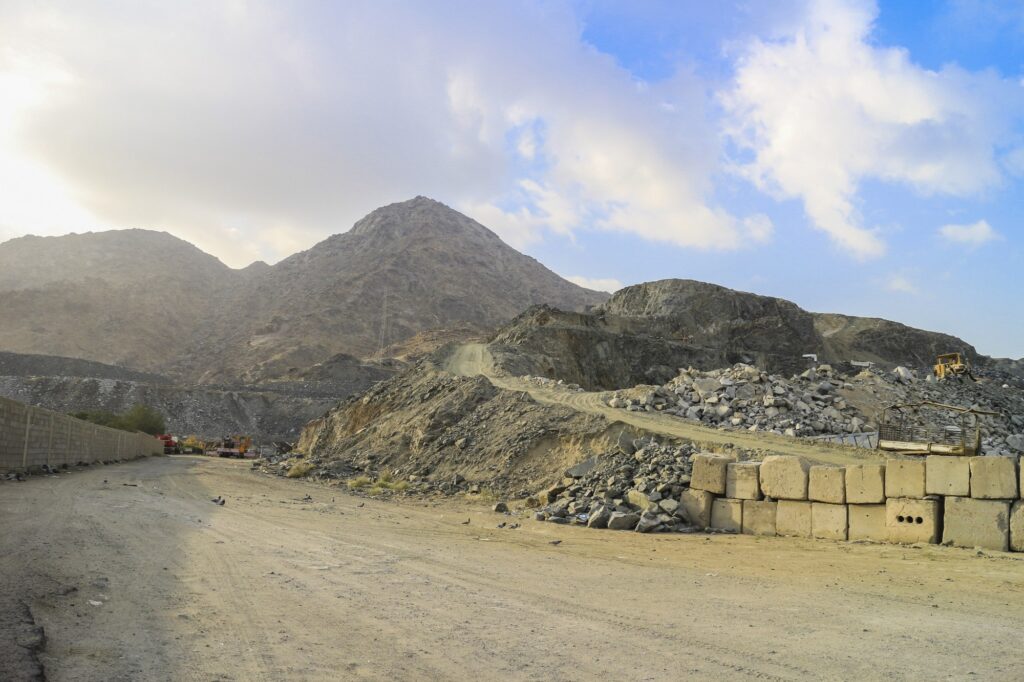
Explore the historic Summit of Mount Thawr in Mecca, Saudi Arabia, a sacred site where Prophet Muhammad found refuge during the Hijra. Discover its spiritual significance and panoramic views.
<h2>Overview</h2><p>The summit of Mount Thawr, known in Arabic as Jabal Thawr, is a sacred and historically significant peak located in Mecca, Saudi Arabia. Rising approximately 750 to 760 meters above sea level, this rugged mountain stands as a silent witness to a pivotal moment in Islamic history. While the entire mountain holds deep reverence, it is specifically the Cave of Thawr, known as Ghar Thawr, situated near its summit, that draws pilgrims and curious travelers from around the globe. This cave served as a clandestine refuge for Prophet Muhammad (peace be upon him) and his closest companion, Abu Bakr (may Allah be pleased with him), during their perilous migration from Mecca to Medina, an event known as the Hijra. The journey to the summit offers not just breathtaking panoramic views of Mecca's mountainous landscape but also a profound spiritual connection to a testament of faith and divine protection.</p><h2>History & Cultural Background</h2><p>The historical importance of Mount Thawr dates back to the early days of Islam, a time marked by intense persecution of the nascent Muslim community by the Quraysh tribe in Mecca. As the hostility escalated, Prophet Muhammad (peace be upon him) received divine instruction to migrate to Medina. This migration, the Hijra, was not a simple journey; it was a strategic escape from an assassination plot devised by the Quraysh. In 622 CE, as the Prophet and Abu Bakr secretly departed Mecca, they sought temporary sanctuary in the Cave of Thawr. They remained hidden there for three days and three nights while the Quraysh search parties scoured the region, offering a substantial reward for their capture.</p><p>This period of hiding in the cave is chronicled in Islamic tradition and is also alluded to in the Quran (Surah At-Tawbah, 9:40), emphasizing Allah's protection. The narrative underscores themes of unwavering faith, profound loyalty, and absolute trust in divine providence. The mountain's name, 'Thawr,' meaning 'bull' in Arabic, is said to derive from its physical resemblance to a bull's back or head.</p><h2>What Makes It Special</h2><p>The summit of Mount Thawr, with its iconic Cave of Thawr, is special not merely for its geographical presence but for its profound spiritual and historical resonance. It symbolizes the resilience and determination of Prophet Muhammad (peace be upon him) during a crucial juncture in Islamic history. The mountain stands as a powerful reminder of divine intervention and the strength of faith in the face of adversity. For Muslims, visiting this site is a humbling experience, connecting them directly to the struggles and triumphs of the early Islamic era.</p><p>The events that unfolded at the cave serve as a timeless lesson in trust (Tawakkul) in Allah's plan, even when circumstances seem most dire. It is a place where fear was replaced with faith, and human vulnerability met divine invincibility. The challenging ascent to the cave itself becomes a symbolic journey, reflecting the trials faced by the Prophet and Abu Bakr, and offering pilgrims a unique opportunity for reflection and spiritual renewal.</p><h2>Stories, Fun Facts & Local Details</h2><p>The story of Prophet Muhammad (peace be upon him) and Abu Bakr's time in the Cave of Thawr is rich with miraculous details and heartwarming acts of loyalty. According to tradition, to deter the Quraysh pursuers, a spider wove a delicate web across the cave's entrance, and pigeons nested and laid eggs there, creating the illusion that no one could have recently entered. This natural camouflage successfully misled the searching parties, who, upon seeing the undisturbed scene, concluded that the cave was empty.</p><p>During their three-day stay, Abu Bakr's son, Abdullah, played a crucial role, secretly visiting the cave at night to provide intelligence about the Quraysh's plans. His slave, Amir ibn Fuhayrah, also contributed by bringing fresh goat's milk to sustain them. A poignant detail from their time inside recounts Abu Bakr being bitten by a snake while inside the cave. Despite the pain, he remained silent to avoid disturbing the sleeping Prophet. When the Prophet awoke and learned of the bite, he applied his blessed saliva to the wound, miraculously healing it. These accounts highlight the unwavering loyalty of Abu Bakr and the divine protection bestowed upon them.</p><h2>Visitor Perspective</h2><p>For those undertaking the pilgrimage or simply seeking a historical connection, a visit to the summit of Mount Thawr is an immensely rewarding experience. The climb, which typically takes between 1.5 to 2 hours, is considered moderately challenging due to the mountain's rocky, steep slopes and sometimes uneven paths. Visitors are advised to wear comfortable hiking shoes, carry sufficient water, and consider starting the ascent during cooler times of the day, such as early morning or late afternoon, to avoid the intense heat.</p><p>Upon reaching the summit, visitors are greeted with expansive, panoramic views of Mecca and the vast desert landscape that stretches beyond. It is a place for quiet contemplation and reflection, offering a tangible link to a momentous event in religious history. While there are no facilities at the very top, the opportunity to stand where such profound historical and spiritual events unfolded makes the challenging trek a deeply moving and unforgettable journey for many. Hiring a local guide can enhance the experience by providing richer historical context and ensuring a safer climb.</p>
Location
Coordinates: 39.850833, 21.3775
View on Google Maps