Statue of Liberty Pedestal Museum
New York, United States

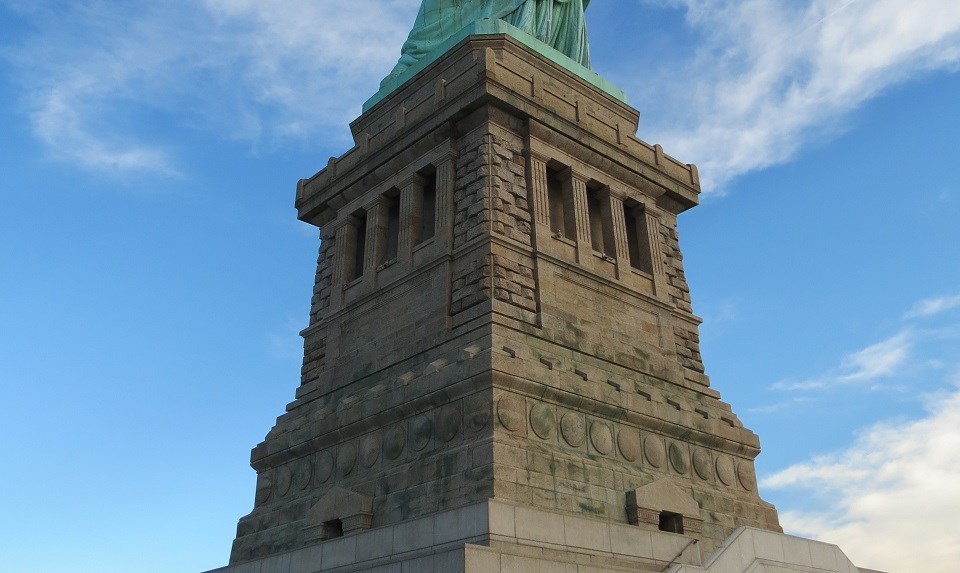
Explore the Statue of Liberty Pedestal Museum in New York, United States, uncovering Lady Liberty's history, construction, and panoramic harbor views.
<h2>Overview</h2><p>The Statue of Liberty Pedestal Museum, often simply referred to as the exhibits within the Statue of Liberty's pedestal, offers visitors an intimate journey into the history and construction of America's iconic symbol of freedom. Located on Liberty Island in New York Harbor, these exhibits are nestled inside the very foundation upon which Lady Liberty stands, a granite structure designed by architect Richard Morris Hunt.</p><p>While a larger, standalone Statue of Liberty Museum opened on Liberty Island in 2019, the experience within the pedestal provides a unique perspective. It delves specifically into the challenges and triumphs of creating the pedestal itself and offers a direct connection to the colossal statue above. Access to these internal exhibits, along with the outdoor observation deck that circles the top of the pedestal, is typically gained through a 'Pedestal Ticket'. This allows travelers to explore the foundational layers of this monumental gift, providing historical context and breathtaking views of the surrounding harbor and New York City skyline.</p><h2>History & Cultural Background</h2><p>The story of the Statue of Liberty's pedestal is as compelling as that of the statue itself, rooted in international friendship and a monumental fundraising effort. While France was responsible for financing and constructing the statue, the American people took on the task of funding and building its colossal base. Designed by the eminent American architect Richard Morris Hunt, the pedestal's construction began in 1883 and was completed in the spring of 1886.</p><p>Hunt's design was a marvel of neoclassical architecture, intended to complement Frédéric-Auguste Bartholdi's statue without overwhelming it. The pedestal was strategically built within Fort Wood, an existing eleven-point star-shaped military fortification on what was then called Bedloe's Island. This integration transformed a disused fort into an integral part of a global symbol. Fundraising proved challenging in the United States, with a significant push led by newspaper publisher Joseph Pulitzer, whose public campaign successfully garnered the necessary donations from ordinary Americans to complete the project.</p><h2>What Makes It Special</h2><p>What truly sets the pedestal exhibits apart is their immersive nature and direct physical connection to the Statue of Liberty. As visitors ascend inside the granite structure, they are surrounded by displays that chronicle the engineering feats and artistic vision behind both the statue and its foundation. You can learn how the statue's pieces traveled across the Atlantic and how they were then assembled on Liberty Island. The internal iron framework, designed by Gustave Eiffel, which supports the copper skin of Lady Liberty, becomes visible as you look up through the statue's interior from the observation level.</p><p>Beyond the historical insights, the primary draw of the pedestal is the unparalleled perspective it offers. From the outdoor observation deck, approximately 151 feet above the ground, visitors are treated to sweeping, 360-degree panoramic views. This vantage point provides stunning vistas of the New York City skyline, Ellis Island, Governors Island, and the bustling New York Harbor, allowing for a unique appreciation of the statue's strategic location as a welcoming beacon.</p><h2>Stories, Fun Facts & Local Details</h2><ul><li><strong>A Collaborative Effort:</strong> The Statue of Liberty represents an incredible international collaboration; the French provided the statue, and the Americans provided the pedestal. This shared responsibility fostered a deeper sense of ownership and connection.</li><li><strong>Pulitzer's Plea:</strong> When American fundraising for the pedestal stalled, Joseph Pulitzer used his newspaper, 'The World,' to appeal to the public, raising over $100,000 from more than 120,000 donors, many of whom gave less than a dollar. His efforts ensured the pedestal's completion.</li><li><strong>The New Colossus:</strong> The famous sonnet 'The New Colossus' by Emma Lazarus, which includes the lines 'Give me your tired, your poor, your huddled masses yearning to breathe free,' was written in 1883 for an art and literary auction to help fund the pedestal's construction. A bronze plaque bearing the poem was placed inside the pedestal in 1903.</li><li><strong>Fort Wood's Legacy:</strong> The pedestal's base is Fort Wood, an 1807 military fortification. The statue and pedestal were perfectly aligned with the fort's star shape.</li><li><strong>Height and Views:</strong> The pedestal stands approximately 89 feet (27 meters) tall, roughly half the height of the entire monument, offering fantastic views without needing to climb to the crown.</li></ul><h2>Visitor Perspective</h2><p>Visiting the Statue of Liberty Pedestal Museum provides a profound enhancement to any trip to Liberty Island. Access to the pedestal is regulated and requires a specific 'Pedestal Ticket,' which should be reserved in advance due to high demand. Upon arrival at Liberty Island, all visitors must undergo airport-style security screening before entering the pedestal itself. Prohibited items, such as large backpacks, food, and drinks (except clear plastic water bottles), must be stored in lockers available on the island.</p><p>The journey to the observation deck involves either an elevator or a climb of 215 steps, equivalent to about 10 stories, to the top of the pedestal. Self-guided tours allow visitors to explore the exhibits at their own pace, gaining a deeper appreciation for the monument's historical and cultural significance. While the new Statue of Liberty Museum (a separate building on Liberty Island) houses the original torch, the pedestal exhibits focus on the foundation's history and offer unparalleled views and a tangible connection to Lady Liberty's grandeur. Allow approximately one to two hours to fully experience the pedestal exhibits and enjoy the panoramic sights.</p>
Location
Coordinates: -74.044502, 40.689247
View on Google Maps