Safa and Marwah
Mecca, Saudi Arabia

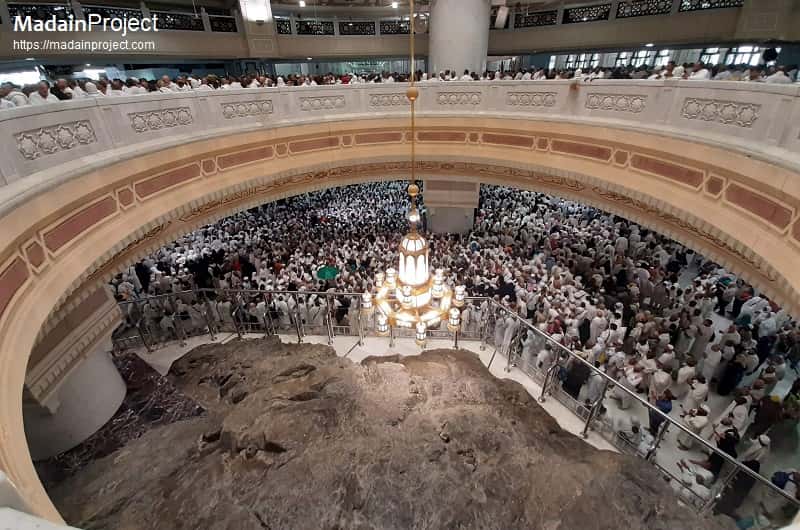
Discover Safa and Marwah in Mecca, Saudi Arabia. Explore the spiritual journey and historical significance of these sacred hills within Masjid al-Haram, central to Hajj and Umrah rituals.
<h2>Overview</h2><p>Within the sacred precincts of Masjid al-Haram in Mecca, Saudi Arabia, lie the venerable hills of Safa and Marwah. These two small mounts are integral to the Islamic pilgrimage rituals of Hajj and Umrah, serving as the setting for the devotional act known as Sa'i. Once natural hills outside the main mosque, Safa and Marwah are now seamlessly integrated into the grand structure, connected by a long, enclosed, and air-conditioned walkway known as the Mas'a. This modern infrastructure ensures a comfortable and accessible experience for the millions of pilgrims who traverse this path annually.</p><p>The journey between Safa and Marwah is not merely a physical act but a profound spiritual exercise, reenacting a timeless story of faith, perseverance, and divine mercy. Pilgrims walk or perform a brisk pace between the two points seven times, commencing at Safa and concluding at Marwah. This ritual, deeply embedded in Islamic tradition, offers a tangible connection to pivotal moments in religious history.</p><h2>History & Cultural Background</h2><p>The significance of Safa and Marwah dates back thousands of years to the era of Prophet Ibrahim (Abraham), his wife Hagar (Hājar), and their infant son Ishmael (Ismail). According to Islamic tradition, Prophet Ibrahim, acting on divine command, left Hagar and baby Ishmael in the barren, uninhabited valley of Mecca. With provisions dwindling, Hagar soon found herself desperate, searching for water to quench her son's thirst.</p><p>In her frantic search, Hagar ran back and forth between the two hills. She first ascended Safa, hoping to spot a caravan or a water source in the vast desert landscape. Finding nothing, she then ran towards Marwah, repeating her search, and continued this strenuous endeavor seven times. During her sprints in the valley between the hills, where she could not see her child, she would increase her pace, anxious for his well-being. It was after her seventh trip, as her strength waned, that a miracle occurred: Angel Jibril (Gabriel) appeared and struck the ground, causing a spring of water to gush forth near Ishmael's feet. This miraculous source became known as the Zamzam Well, providing sustenance and eventually leading to the settlement of Mecca.</p><h2>What Makes It Special</h2><p>Safa and Marwah are more than just geographical landmarks; they are powerful 'symbols of Allah,' as mentioned in the Quran, Surah Al-Baqarah (2:158). The Sa'i ritual commemorates Hagar's unwavering faith, profound patience, and ultimate reliance on divine assistance during a time of extreme hardship. It serves as a potent reminder for pilgrims that effort and trust in Allah will ultimately be rewarded.</p><p>Performing the Sa'i is a cornerstone of both Hajj and Umrah, making these pilgrimages incomplete without it. The act transforms a historical event into a living spiritual experience, allowing each pilgrim to connect personally with Hagar's struggle and the mercy of Allah. The collective movement of millions of Muslims undertaking this ritual fosters a powerful sense of unity and shared devotion, reflecting humanity's dedication and trust in God's plan.</p><h2>Stories, Fun Facts & Local Details</h2><ul><li>The total distance covered during the seven rounds of Sa'i between Safa and Marwah is approximately 3.15 kilometers (1.96 miles).</li><li>Inside the Mas'a, there are designated areas marked by green lights where male pilgrims are encouraged to jog or walk briskly, emulating Hagar's hurried pace in the valley when she couldn't see her son.</li><li>The modern Mas'a walkway is a marvel of engineering, equipped with air-conditioning, multiple levels, and facilities for the elderly and those with disabilities, ensuring the comfort and safety of all pilgrims.</li><li>Pilgrims can access fresh Zamzam water within the Mas'a, a tangible link to the miracle that gave rise to this sacred ritual.</li><li>Historically, Safa was located at the base of the Abu Qubais Mountain, and Marwah was connected to Qaiqan Mountain, highlighting their original geological context before integration into the mosque.</li></ul><h2>Visitor Perspective</h2><p>For a visitor, undertaking the Sa'i between Safa and Marwah is an intensely personal and deeply moving experience. It is a moment of reflection on resilience, hope, and the profound connection between humanity and the divine. As you walk the path, surrounded by people from all corners of the globe, a sense of unity and shared purpose is palpable.</p><p>The ritual encourages contemplation of Hagar's immense courage and steadfast faith. While not a prerequisite for non-pilgrims, understanding the story enriches any visit to Masjid al-Haram. Visitors are encouraged to maintain respectful conduct and attire, reflecting the sanctity of the location. Choosing less crowded times, such as early morning or late evening, can enhance the serene and contemplative atmosphere of this spiritual journey.</p>
Location
Coordinates: 39.823, 21.4208
View on Google Maps