Rue Mouffetard Market
Paris, France

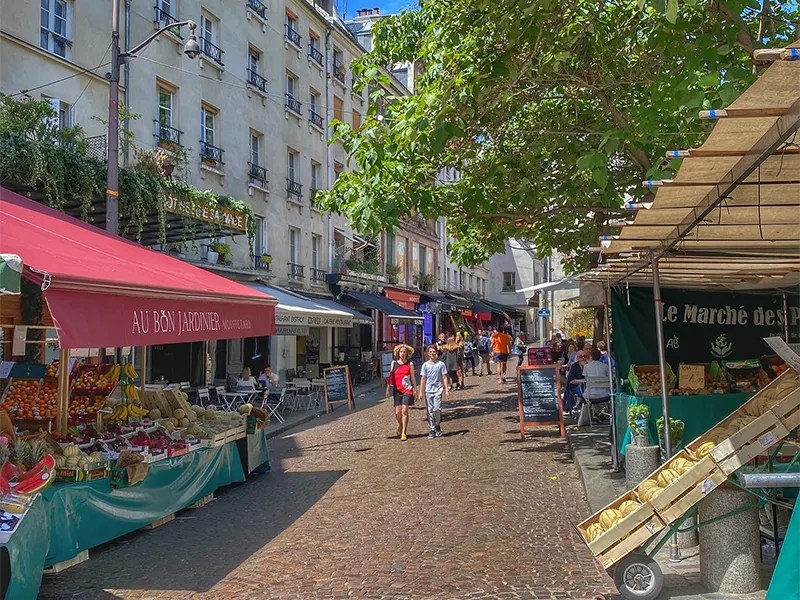
Explore Rue Mouffetard Market in Paris, France—one of the city's oldest and most vibrant food streets in the Latin Quarter, rich in history and charm.
<h2>Overview</h2><p>Nestled in the historic Latin Quarter of Paris, France, Rue Mouffetard Market is far more than just a place to shop; it is a vibrant artery of Parisian life that pulses with history and charm. Often affectionately referred to by locals as 'La Mouffe', this ancient, cobblestoned street offers a captivating glimpse into traditional French market culture. Here, everyday transactions unfold amidst centuries-old architecture, creating an immersive experience for visitors seeking authenticity. The market, primarily a bustling daily food destination, is celebrated for its lively atmosphere, offering an array of fresh produce, artisanal goods, and specialty shops that cater to both residents and curious travelers alike.</p><p>Stretching approximately 600 to 650 meters, the Rue Mouffetard gradually slopes from the Place de la Contrescarpe down to the Square Saint-Médard, where the more pronounced open-air market stalls are found. It operates largely as a pedestrian street, inviting leisurely strolls and spontaneous discoveries. Its enduring presence in the heart of the 5th arrondissement makes it a cherished landmark, a testament to Paris's rich heritage.</p><h2>History & Cultural Background</h2><p>The origins of Rue Mouffetard trace back over 2,000 years to Roman times, when it served as a vital Roman road connecting Lutetia (ancient Paris) southward to Italy. Throughout the Middle Ages, it evolved into a significant commercial thoroughfare, where farmers from surrounding agricultural areas would converge to sell their produce. The street's name itself is steeped in history, thought to derive either from 'moffettes', referring to the noxious odors from tanneries and dyers located by the Bièvre River, or from 'Mont Cétarius', an ancient Roman name for the Montagne Sainte-Geneviève hill. This dual etymology highlights its past as both a working-class hub and a historically significant route.</p><p>Remarkably, Rue Mouffetard largely escaped the drastic urban renovations of Baron Haussmann in the 19th century, preserving its medieval character and narrow, winding layout. This resilience allowed its traditional market activities to continue and adapt, with informal stalls eventually transitioning into the permanent storefronts and market displays seen today. Its historical significance has also woven it into literary narratives, famously described by Ernest Hemingway in 'A Movable Feast' as a 'wonderful, narrow crowded market street'. Some even suggest its ambiance inspired Victor Hugo's descriptions in 'Les Misérables'.</p><h2>What Makes It Special</h2><p>What truly sets Rue Mouffetard Market apart is its unparalleled combination of historical authenticity and contemporary vibrancy. It functions as a living museum, where ancient buildings, some dating back to the 11th and 12th centuries and officially listed as historical monuments, form the backdrop for daily commerce. The market is renowned for its diverse selection of high-quality French products. Visitors can find everything from colorful fruit and vegetable stalls to esteemed cheesemongers offering hundreds of varieties, fresh seafood, artisanal meats, bakeries with warm baguettes, and specialty shops selling chocolates, spices, and wines. This blend of traditional market stalls and permanent shops ensures a rich and varied shopping experience.</p><p>Beyond the edibles, the street is lined with charming cafes, lively restaurants, and unique boutiques, fostering a bohemian atmosphere that has long attracted artists, writers, and students. The narrow, often pedestrian-friendly passageway encourages exploration, allowing visitors to soak in the sights, sounds, and aromas of a truly Parisian street. It is a place where the past and present coalesce, offering a sensory feast and a genuine connection to Parisian daily life.</p><h2>Stories, Fun Facts & Local Details</h2><ul><li><strong>Hemingway's Haunt:</strong> Ernest Hemingway, who lived nearby, immortalized Rue Mouffetard in his memoir 'A Movable Feast', describing it as 'a wonderful, narrow crowded market street'. His affection for the street highlights its timeless appeal to artists and writers.</li><li><strong>The Odorous Name:</strong> The street's name, 'Mouffetard', is believed by many to originate from 'moffettes', old French for 'skunk' or noxious odors, a nod to the tanning and dyeing industries that once thrived along the now-covered Bièvre River.</li><li><strong>Ancient Water Source:</strong> At the intersection with Rue du Pot de Fer, visitors can find the historic Fontaine du Pot au Fer, a public water source built in 1624 that still provides water today. It's a tangible link to centuries past.</li><li><strong>Artistic Facades:</strong> Look up and you might discover unique architectural details, such as the facade at 134 Rue Mouffetard, directly opposite Saint-Médard Church, which is famously painted with animal scenes, playfully referencing a former butcher shop.</li><li><strong>'La Mouffe':</strong> Locals affectionately refer to the street as 'La Mouffe', a testament to its familiar and beloved place in the Parisian community.</li></ul><h2>Visitor Perspective</h2><p>Experiencing Rue Mouffetard is best done by embracing the rhythm of Parisian life. The market is most vibrant in the mornings, especially on weekends, when locals gather to do their daily shopping. Arriving between 9:00 AM and 11:00 AM on a Tuesday through Saturday is ideal for the best selection and atmosphere. Mondays, however, see most market stalls closed.</p><p>As you wander along the gently sloping, cobblestone street, you are encouraged to engage with vendors, many of whom prefer cash for smaller transactions, and to bring a reusable shopping bag for your treasures. Beyond the market's southern end, the upper part of Rue Mouffetard, closer to Place de la Contrescarpe, buzzes with cafes and restaurants that come alive in the evenings. The entire street offers a delightful sensory experience, from the aromas of fresh bread and cheese to the chatter of shoppers and the vibrant displays of goods. It's a place to slow down, savor, and truly feel like a part of the rich tapestry of Paris.</p>
Location
Coordinates: 2.34972, 48.84194
View on Google Maps