Lotus Pond Courtyards
Hong Kong, China

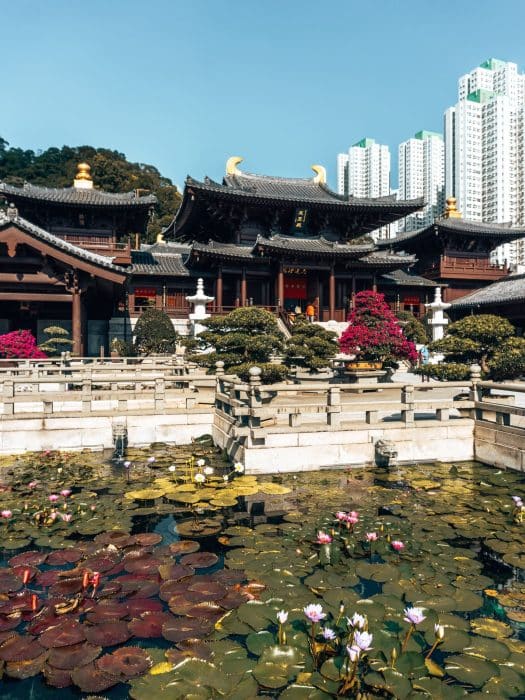
Discover the tranquil Lotus Pond Courtyards within Hong Kong's Chi Lin Nunnery & Nan Lian Garden, a serene escape showcasing Tang Dynasty elegance and cultural symbolism.
<h2>Overview</h2><p>Nestled amidst the dynamic urban landscape of Hong Kong, the Lotus Pond Courtyards offer a tranquil escape within the broader embrace of Chi Lin Nunnery and Nan Lian Garden. This serene destination, located in Diamond Hill, Kowloon, presents a remarkable blend of traditional Chinese aesthetics and natural beauty. The concept of 'Lotus Pond Courtyards' encompasses both the peaceful lotus ponds found within the Chi Lin Nunnery complex and the stunning Lotus Pond that is a central feature of the adjacent Nan Lian Garden. These spaces are meticulously designed to transport visitors to a bygone era, reflecting the classical elegance of the Tang Dynasty. Here, the soothing presence of water, carefully chosen flora, and exquisite traditional architecture create an atmosphere of calm contemplation, offering a profound contrast to the bustling city outside. [3, 8, 9]</p><h2>History & Cultural Background</h2><p>The history of Chi Lin Nunnery dates back to 1934 when it was founded as a retreat for Buddhist nuns. It underwent a significant redevelopment in the 1990s, where it was rebuilt in the traditional Tang Dynasty architectural style. [3, 5, 8] This style, prominent from 618-907 AD, is renowned for its simplicity, elegance, and harmonious integration with nature. [3] The nunnery's design adheres to the layout of a traditional Chinese '7 halls monastery,' influenced by the 'Amitayurdhyana Sutra Transformation Painting' found in the Mogao Grottoes. [5]</p><p>Complementing the nunnery, Nan Lian Garden opened to the public in 2006. It was a collaborative effort between the Chi Lin Nunnery and the Hong Kong government, designed entirely in the Tang Dynasty style. [3, 4, 6] The garden's blueprint is famously based on the Jiangshouju Garden in Shanxi Province, which is the only surviving Tang Dynasty garden in China. [4, 6] A significant cultural detail is the construction method: no nails were used in the timber structures of both the nunnery and the garden. Instead, traditional techniques involving bracketing and dowels were employed, using only natural materials like wood, clay, and stone. [13] Traditional Chinese garden design is deeply symbolic; rocks often represent mountains, signifying virtue and stability, while water features embody the natural world. [11] The lotus flower itself holds profound meaning, symbolizing purity and enlightenment within Buddhist tradition, making its prominent placement in these courtyards particularly significant. [3, 5]</p><h2>What Makes It Special</h2><p>The Lotus Pond Courtyards stand out as a rare testament to Tang Dynasty garden and architectural design, especially given their urban setting. The meticulous landscaping ensures that every element – from the artificial hillocks and ornamental rocks to the timber structures and ancient trees – is placed according to specific rules, creating an authentic and immersive experience. [4, 8, 12] A key design principle at play is the art of 'borrowing scenes,' 'concealing scenes,' and 'sheltering scenes,' which strategically frames views and insulates the garden from external noise, making it feel far more expansive and secluded than its true size. [4, 6, 9, 11]</p><p>Within Nan Lian Garden, the stunning golden Pavilion of Absolute Perfection, centrally located in the Lotus Pond, serves as a striking focal point. [2, 7, 10] This pavilion, connected by two vibrant red Zi-Wu bridges, symbolizes absolute perfection and fulfillment. [7] In the Chi Lin Nunnery, the first courtyard features four symmetrically arranged lotus ponds, each adorned with stone lion head water fountains, creating a visual and auditory harmony. [3, 5] The absence of nails in construction further emphasizes the traditional craftsmanship and adherence to ancient building techniques, making these structures marvels of historical engineering. [3, 13]</p><h2>Stories, Fun Facts & Local Details</h2><p>One fascinating aspect of the Chi Lin Nunnery's architecture is its 'nail-less' construction, a testament to intricate traditional Chinese joinery techniques. [3, 13] The lotus ponds in the Nunnery's first courtyard are not just decorative; their symmetrical arrangement with water lilies in each corner symbolically represents purity and enlightenment, central tenets of Buddhism. [3, 5] The red Zi-Wu bridges in Nan Lian Garden, spanning the Lotus Pond to reach the Pavilion of Absolute Perfection, are not merely functional but are inspired by the bold and elegant styles of the Tang Dynasty, adding a splash of vivid color to the serene landscape. [7]</p><p>The entire area is ingeniously designed to create an oasis of calm. Despite being surrounded by busy roads and high-rise buildings, noise barriers and carefully placed mounds with extensive planting effectively filter out city sounds and pollution, allowing visitors to immerse themselves fully in the tranquility. [4, 9] The garden also offers picturesque views of distant mountain ranges like Lion Rock, enhancing the illusion of a remote, natural setting. [4, 9] This careful integration of design elements ensures that each turn of the winding paths reveals new vistas, encouraging a slower pace and deeper appreciation of the surroundings. [2, 6]</p><h2>Visitor Perspective</h2><p>Visiting the Lotus Pond Courtyards is often described as a profoundly peaceful and refreshing experience, a true respite from the energetic pace of Hong Kong. [3, 6, 9] Travelers consistently find themselves in a state of calm and stillness, feeling worlds away from the city's hustle and bustle. [3] The immaculate grooming of the gardens and the harmonious balance of all elements contribute to a deeply soothing atmosphere. [2]</p><p>The areas are designed for leisurely strolling, with numerous spots to pause, reflect, and absorb the serene views. [2] It's an accessible destination, with both the Chi Lin Nunnery and Nan Lian Garden offering free entry to the public. [9, 12] While photography is generally welcomed in the courtyards and garden spaces, visitors should be mindful that taking photos inside the halls of the Nunnery or of the Buddha statues is respectfully prohibited. [13, 16] This policy helps maintain the sacred and meditative ambiance for all. It's a place where one can connect with traditional Chinese culture, marvel at ancient architectural wisdom, and simply enjoy a moment of quiet beauty. [9]</p>
Location
Coordinates: 114.2045, 22.3406
View on Google Maps