Imperial Treasury
Istanbul, Turkey

Explore the Imperial Treasury at Topkapi Palace in Istanbul, Turkey. Discover the Spoonmaker's Diamond, Topkapi Dagger, and Ottoman imperial jewels.
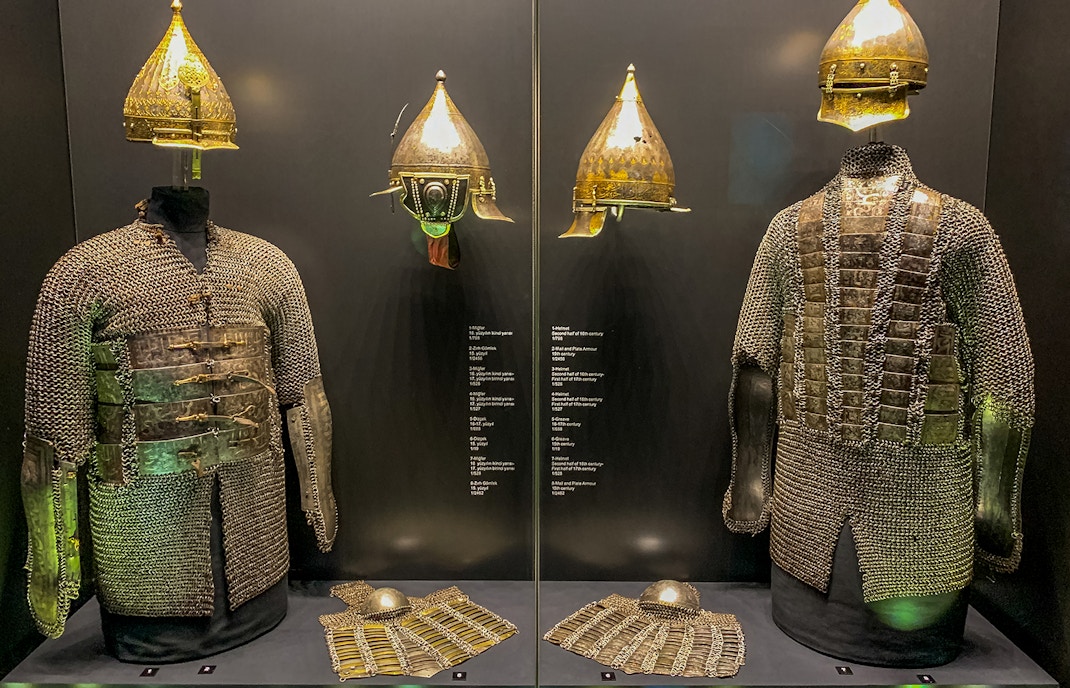
<h2>Overview</h2><p>Deep within the historic walls of Topkapi Palace in Istanbul, Turkey, lies a chamber of unparalleled splendor: the Imperial Treasury. Far more than just a collection of jewels, this extraordinary exhibition serves as a glittering testament to the immense wealth, artistic prowess, and enduring legacy of the Ottoman Empire. Housed primarily within the Conqueror's Pavilion, the Treasury showcases centuries of accumulated treasures, ranging from magnificent diamonds and emeralds to ornate weaponry and ceremonial objects, each piece telling a story of power, diplomacy, and artistry. It is considered one of the world's richest treasuries, displaying original treasures rather than replicas.</p><p>A visit here is a journey through the opulent heart of a bygone era, where every display cabinet holds objects that once adorned sultans, graced royal ceremonies, or were symbols of imperial might. The collection today represents only a fraction of what was once stored, yet it remains breathtakingly diverse and historically significant, attracting visitors from across the globe keen to glimpse the grandeur of the Ottoman sultans.</p><h2>History & Cultural Background</h2><p>The story of the Imperial Treasury is intrinsically linked with the Topkapi Palace itself, constructed in the 15th century by Sultan Mehmed II after the conquest of Constantinople in 1453. Initially, the sultan's treasures were stored in the Yedikule Fortress for several years before being transferred to Topkapi Palace in 1478. Over nearly four centuries, until the 19th century, Topkapi Palace served as the primary residence and administrative heart of the Ottoman Empire.</p><p>The Treasury's collection grew through various means: spoils of war from conquered lands, diplomatic gifts from foreign dignitaries, inheritances, and items commissioned directly by the sultans. This amalgamation of riches from across three continents underscored the empire's vast global reach and its strategic position controlling trade routes. The treasury was not merely a display of personal wealth but functioned as a repository for the empire's financial strength and its most precious artistic and historical artifacts. When the palace became a museum in 1924, following the end of the Ottoman Empire, the treasury was preserved and opened to the public, allowing the world to witness its splendor.</p><h2>What Makes It Special</h2><p>What sets the Imperial Treasury apart is its astounding array of unique and priceless artifacts. Among its most celebrated exhibits is the legendary Spoonmaker's Diamond, an 86-carat pear-shaped diamond surrounded by 49 smaller diamonds, considered the fourth largest of its kind globally. Its origins are shrouded in fascinating mystery, adding to its allure. Another iconic piece is the Topkapi Dagger, famous for its golden hilt ornamented with three large emeralds and a golden watch with an emerald lid, adorned with diamonds and mother-of-pearl. This dagger was initially intended as a gift for the Persian ruler Nadir Shah but was returned to the palace after his assassination.</p><p>Beyond these individual masterpieces, visitors can marvel at solid gold thrones encrusted with emeralds and pearls, elaborate ceremonial armor belonging to sultans like Mustafa III, and a remarkable collection of weaponry featuring diamond-studded swords and jeweled hilts. The Treasury also boasts exquisite items crafted from jade, renowned for its diverse colors, and examples of Chinese celadon and blue-and-white porcelain, reflecting the Ottoman sultans' appreciation for art beyond their own traditions.</p><h2>Stories, Fun Facts & Local Details</h2><p>The Imperial Treasury is rich with stories that bring its historical items to life. One popular legend recounts that the Spoonmaker's Diamond was discovered by a poor man in a rubbish dump and initially traded for just three spoons, hence its intriguing name. While historians debate the exact truth, the tale certainly adds to the gem's mystique. The Topkapi Dagger's dramatic backstory, intertwined with the fate of Nadir Shah, further cements its place in history and popular culture, even inspiring a classic heist film.</p><p>Unlike European monarchies where jewels primarily adorned crowns and tiaras, Ottoman rulers expressed their power and wealth by embedding precious stones into ceremonial weapons, robes, and symbolic objects used in court rituals. Diamonds sparkled on sword hilts, emeralds decorated turbans, and rubies and pearls were integrated into thrones. This cultural difference provides a unique perspective on imperial adornment. Historically, the treasury was opened and closed with a grand ceremony, requiring the participation of 40 men, highlighting its immense importance and security. Sultan Selim I's seal famously closed the treasury doors, symbolizing his accomplishment in expanding the empire's wealth.</p><h2>Visitor Perspective</h2><p>Stepping into the Imperial Treasury at Topkapi Palace is often described as walking into a real-life 'Aladdin's cave.' The sheer volume and brilliance of the precious objects can be overwhelming, offering a profound sense of the Ottoman Empire's past glory. Each room within the treasury is thoughtfully arranged to highlight the historical significance and artistic craftsmanship of its contents, guiding visitors through a visual narrative of imperial splendor.</p><p>The experience is designed for the curious traveler, providing clear explanations of the exhibits and their cultural context. While photography is generally permitted inside the Imperial Treasury, flash photography is strictly prohibited to protect the delicate artifacts. Visitors are encouraged to take their time, admire the intricate designs, and appreciate the craftsmanship that went into creating these timeless pieces. The Treasury provides a unique opportunity to connect directly with the material culture of one of history's most powerful empires, leaving a lasting impression of its artistic legacy and unimaginable wealth.</p>
Location
Coordinates: 28.981096, 41.008369
View on Google Maps