Henry VII Lady Chapel
London, United Kingdom

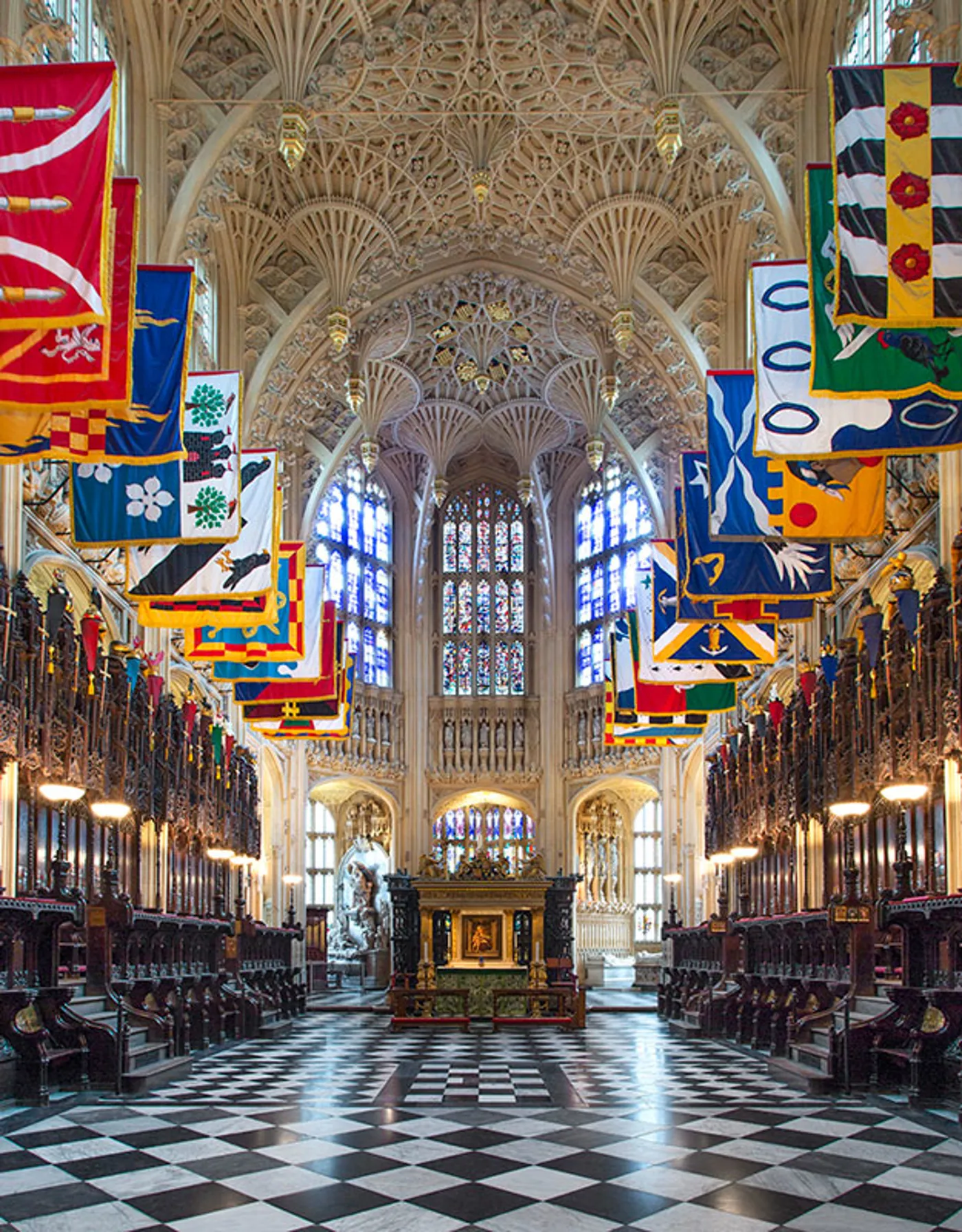
Explore the Henry VII Lady Chapel in Westminster Abbey, London, United Kingdom. Discover its stunning fan-vaulted ceiling, royal tombs, and rich history.
<h2>Overview</h2><p>Nestled within the grandeur of Westminster Abbey in London, United Kingdom, lies the breathtaking Henry VII Lady Chapel, often simply referred to as the Henry VII Chapel. This architectural masterpiece stands as a testament to late medieval English Gothic design, drawing visitors with its stunning beauty and profound historical significance. It is renowned for its elaborate pendant fan-vaulted ceiling, intricate stone carvings, and its role as the final resting place for numerous English monarchs. A dedicated shrine to the Virgin Mary and a royal mausoleum, the chapel also serves as the spiritual home of the Most Honourable Order of the Bath, whose vibrant banners adorn its upper reaches.</p><h2>History & Cultural Background</h2><p>The story of the Henry VII Lady Chapel begins in the early 16th century, though its roots stretch back to an earlier Lady Chapel on the same site, constructed in the 13th century under Henry III. By the end of the 15th century, this earlier structure had fallen into disrepair. King Henry VII, the first Tudor monarch, envisioned a new chapel that would serve multiple purposes: a grand royal mausoleum for himself and his dynasty, a magnificent shrine dedicated to the Virgin Mary, and initially, a shrine for the venerated King Henry VI, who was expected to be canonized.</p><p>Construction commenced with the laying of the foundation stone on January 24, 1503, following the demolition of the older chapel. Despite Henry VII's reputation for frugality, he spared no expense on this monumental project, lavishing vast sums on its construction and ornate decoration. The chapel was completed in 1516, six years after Henry VII's death, and consecrated that same year, with final works extending to 1519. It became a powerful symbol of the newly established Tudor dynasty, solidifying their legitimacy after the turbulent Wars of the Roses by linking them with sacred and royal lineage.</p><h2>What Makes It Special</h2><p>The Henry VII Lady Chapel is widely celebrated as the final great masterpiece of medieval English architecture. Its most captivating feature is undoubtedly the extraordinary pendant fan-vaulted ceiling. This intricate design, often attributed to master masons William and Robert Vertue, represents the pinnacle of fan vaulting, creating a delicate, lace-like appearance that seems to defy gravity.</p><p>The chapel's magnificence led the 16th-century historian John Leland to famously describe it as the 'wonder of the world', a sentiment echoed by many visitors today. Beyond the vaulting, the chapel is rich with intricate stone carvings, including 95 surviving statues of saints within niches around the walls. The detailed bronze gates, possibly designed by Thomas Ducheman, depict Tudor badges such as the portcullis and the Tudor rose, further emphasizing its royal connections.</p><h2>Stories, Fun Facts & Local Details</h2><p>The Henry VII Lady Chapel is a silent storyteller of English history. It houses the tombs of fifteen kings and queens, making it an unparalleled royal necropolis. Here, Henry VII and his wife Elizabeth of York lie side-by-side beneath a magnificent gilt-bronze effigy crafted by the Florentine Renaissance sculptor, Pietro Torrigiano.</p><p>Perhaps one of the most intriguing facts is the shared resting place of two great rival queens: Elizabeth I and Mary, Queen of Scots. Initially buried elsewhere, Mary's body was moved to the chapel by her son, James I, to rest opposite her cousin, Elizabeth I, creating a powerful historical tableau. Other notable burials include Edward VI, Mary I, James I, Charles II, William III, Mary II, and Queen Anne.</p><p>Since 1725, the chapel has served as the spiritual home of the Most Honourable Order of the Bath, a prestigious chivalric order. The vibrant, colorful banners of living knights of the Order hang above the stalls, creating a striking visual display that adds another layer of unique tradition to this historic space.</p><h2>Visitor Perspective</h2><p>Stepping into the Henry VII Lady Chapel is an experience that transcends mere sightseeing; it's a journey through centuries of English royal and architectural history. The sheer scale and delicate craftsmanship of the fan-vaulted ceiling often leave visitors in awe, with light filtering through stained-glass windows to illuminate the intricate details. The solemn presence of the royal tombs, particularly the grand effigies, evokes a deep sense of connection to the past.</p><p>Access to the Henry VII Lady Chapel is included with standard admission to Westminster Abbey, making it an integral and unmissable part of any visit. While there, take a moment to admire the details, from the carvings of saints to the historic banners, and reflect on the incredible legacy contained within these walls. It remains a sacred space and an artistic landmark, continuing to inspire wonder among all who enter.</p>
Location
Coordinates: -0.127465, 51.49939
View on Google Maps