Glass Facade
London, United Kingdom

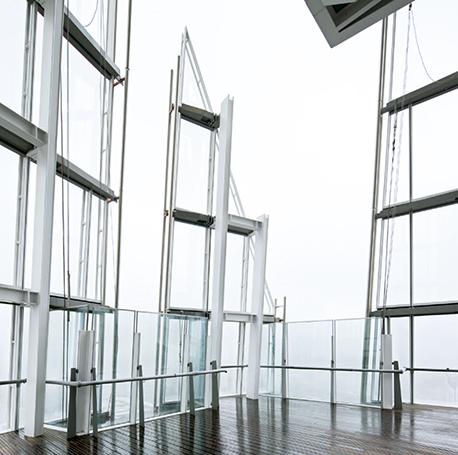
Explore the iconic Glass Facade of The Shard in London, United Kingdom. Discover its Renzo Piano design, sustainable features, and captivating views.
<h2>Overview</h2><p>The Glass Facade of The Shard, a monumental skyscraper in London, United Kingdom, stands as a defining feature of the city's modern skyline. Conceived by the renowned Italian architect Renzo Piano, this distinctive glass envelope gives the building its iconic, spire-like appearance. Far from being a mere aesthetic choice, the facade is an integral part of The Shard's innovative design, actively contributing to its functionality and environmental performance. Its angled glass panels reflect the surrounding sky, making the building's appearance seem to shift and change with the weather and seasons, embodying a dynamic presence on the south bank of the River Thames.</p><p>This 'vertical city' integrates various uses, from offices and restaurants to a hotel and residences, all encased within its shimmering exterior. The carefully crafted glass plays a crucial role in creating a sense of lightness and transparency, distinguishing The Shard from more conventional tall buildings.</p><h2>History & Cultural Background</h2><p>The genesis of The Shard's glass facade can be traced back to architect Renzo Piano's initial sketches, inspired by the energy of the Thames, the sharp silhouettes of London's church spires, and the masts of sailing ships depicted in 18th-century paintings by Canaletto.</p><p>Initially, the design faced criticism, with English Heritage famously claiming the proposed building would be 'a shard of glass through the heart of historic London.' Ironically, this very criticism inadvertently provided the structure with its evocative and now widely recognized name: The Shard.</p><p>Piano's vision was to create a building that would not be a bulky, imposing structure, but rather an elegant, delicate spire that would harmoniously interact with its urban environment. This poetic aspiration was translated into the sophisticated use of glazing that defines the building's cultural impact and visual narrative.</p><h2>What Makes It Special</h2><p>The Glass Facade of The Shard is an engineering marvel, comprising 11,000 glass panels that cover an area equivalent to about eight football fields.</p><p>A key innovation is its double-skin, naturally ventilated design. This system features an outer layer of extra-white, low-iron glass, chosen for its exceptional clarity and color neutrality, and an inner layer. Between these two skins lies a ventilated cavity with automated internal blinds that intelligently adjust to changing light conditions. This design maximizes natural daylight penetration while effectively controlling solar gain and reducing glare, significantly enhancing the building's energy efficiency.</p><p>The eight angled facades, aptly called 'shards,' create a fractured yet harmonious geometry. The gaps or 'fractures' between these shards are not merely decorative; they house opening vents that provide natural ventilation to internal winter gardens. These green zones improve occupant comfort and reduce the mechanical load on the building. This ingenious integration of form and function earned The Shard a BREEAM 'Excellent' environmental rating.</p><h2>Stories, Fun Facts & Local Details</h2><p>One of the most captivating aspects of The Shard's glass facade is its ever-changing appearance. Depending on the weather, time of day, and position of the sun, the building reflects and refracts light in unpredictable ways, causing its color and mood to constantly shift. This makes it an organic, living part of the London skyline, rather than a static structure.</p><p>The sheer scale of the glass is impressive, with the 11,000 panels covering approximately 56,000 square meters. The use of clear, low-iron glass was crucial to achieve the desired crystal-like transparency and avoid the greenish tint often associated with standard glass.</p><p>The construction process itself involved pioneering engineering methods. To protect the facade from wind load, the shards were designed to remain independent, never quite touching each other, creating subtle visual breaks that contribute to its distinctive silhouette.</p><h2>Visitor Perspective</h2><p>For visitors, the Glass Facade offers a unique interplay between the inside and outside. From within, particularly at 'The View from The Shard' observation decks on Levels 68, 69, and 72, the expansive glass panels provide unparalleled 360-degree panoramic views of London, stretching up to 40 miles on a clear day.</p><p>The experience is designed to immerse visitors in the city's vastness, framed by the very glass that defines the building. The open-air Skydeck on Level 72 allows one to truly feel connected to the atmosphere and sounds of the city below, with the glass providing both protection and an uninterrupted visual spectacle. The way the glass allows light to flood the interior spaces, including offices and the Shangri-La Hotel, contributes to the building's overall ambiance of openness and sophistication.</p>
Location
Coordinates: -0.0865, 51.504501
View on Google Maps