Empire State Building
New York, United States

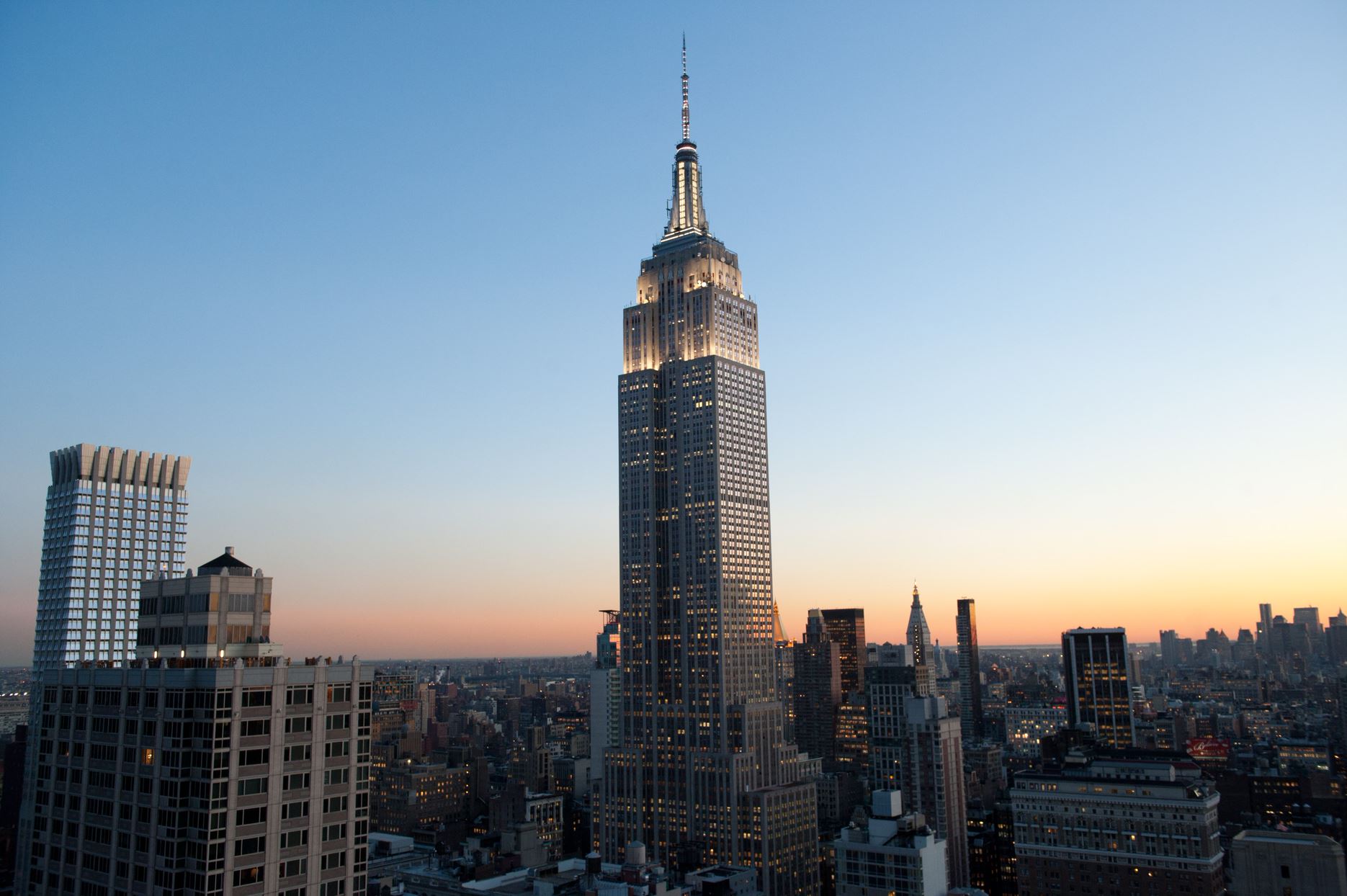
Discover the iconic Empire State Building in New York, United States. Explore its Art Deco history, cultural impact, and breathtaking views from the observation decks.
<h2>Overview</h2><p>The Empire State Building, an enduring symbol of ambition and architectural grandeur, stands majestically in the heart of Midtown Manhattan, New York City, United States. This 102-story Art Deco skyscraper is not merely a towering structure but a global icon, instantly recognizable for its distinctive silhouette and the shimmering lights that adorn its spire. Since its completion, it has captivated imaginations and offered millions of visitors unparalleled panoramic views of the city that never sleeps from its renowned observation decks. It embodies the vibrant spirit and indomitable ingenuity of New York, solidifying its place as a must-visit destination for travelers worldwide.</p><h2>History & Cultural Background</h2><p>The construction of the Empire State Building was a monumental feat, especially considering it took place during the challenging era of the Great Depression. Designed by Shreve, Lamb & Harmon, work began on March 17, 1930, and remarkably, the building was completed in a mere 410 days, officially opening on May 1, 1931. This rapid construction was part of a fierce 'Race to the Sky' among New York City developers, aiming to erect the world's tallest building. The Empire State Building claimed this prestigious title upon its completion, holding it for nearly 40 years until 1970. Its debut was met with immense public interest, further cemented by its starring role in the 1933 film 'King Kong,' which established it as a permanent fixture in popular culture. Over the decades, it has been featured in countless movies and television shows, becoming synonymous with the romantic and aspirational image of New York City. The building was recognized for its historical and architectural significance, designated a New York City landmark in 1980 and added to the National Register of Historic Places as a National Historic Landmark in 1986.</p><h2>What Makes It Special</h2><p>Beyond its impressive height, the Empire State Building is celebrated for its exquisite Art Deco design. Its facade, clad in Indiana limestone, features the characteristic setbacks and vertical lines that create a powerful sense of upward momentum. The ornate lobby, with its 24-carat gold leaf ceilings and intricate geometric motifs, is a testament to the era's opulence and artistic vision. The innovative construction methods used, such as prefabricated steel components and an assembly-line process, allowed for its unprecedented speed of construction. Today, the building is also a leader in sustainability, having undergone a significant retrofit that transformed it into one of the most environmentally friendly historic buildings globally, showcasing a blend of timeless design and modern responsibility.</p><h2>Stories, Fun Facts & Local Details</h2><ul><li><strong>The 'Empty State Building':</strong> Despite its grand opening, the building initially struggled to find tenants due to the Great Depression, leading to it being jokingly dubbed 'The Empty State Building.' It took nearly two decades for it to become profitable.</li><li><strong>Airship Mooring Mast:</strong> The iconic spire was originally designed as a mooring mast for airships. However, due to strong winds and safety concerns, this idea proved impractical and was never used for its intended purpose, serving instead as a broadcast antenna.</li><li><strong>Cultural Icon:</strong> Beyond 'King Kong,' the Empire State Building has been a backdrop for numerous romantic comedies, most notably 'Sleepless in Seattle,' solidifying its image as a place for grand gestures and heartfelt connections.</li><li><strong>Annual Race to the Top:</strong> Each year, the Empire State Building hosts the annual Run-Up, one of the world's most famous tower races, where competitors ascend the 1,860 steps from street level to the 86th-floor observation deck.</li><li><strong>Changing Lights:</strong> The building's mast is illuminated nightly with LED lights that can display over 16 million colors, often changing to commemorate holidays, events, or charitable causes, adding a dynamic element to the New York skyline.</li></ul><h2>Visitor Perspective</h2><p>A visit to the Empire State Building offers a multi-faceted experience, going beyond just the breathtaking views. The journey begins with immersive museum exhibits on the second floor and an interactive gallery on the 80th floor, detailing the building's history, construction, and cultural impact. The main draw remains the 86th-floor outdoor observation deck, which provides 360-degree views of Manhattan and beyond, allowing visitors to spot landmarks like the Statue of Liberty, Central Park, and the Hudson River. For an even higher perspective, the entirely redesigned 102nd-floor observatory offers an enclosed, climate-controlled viewing experience with floor-to-ceiling windows. Planning is recommended, especially during peak seasons, with early mornings or late evenings often suggested to avoid crowds. The building is open daily, and tickets can be purchased online to ensure a seamless entry. Regardless of when you visit, the Empire State Building promises an unforgettable encounter with a true American marvel.</p>
Location
Coordinates: -73.9857, 40.7484
View on Google Maps