Egyptian Bazaar Courtyard
Istanbul, Turkey

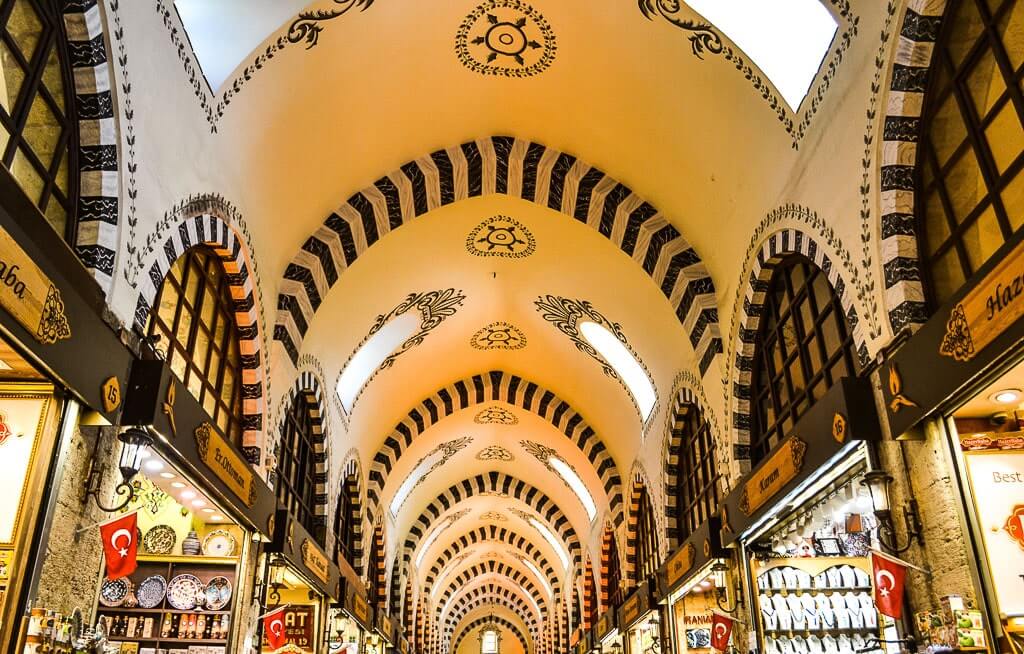
Discover the historic Egyptian Bazaar Courtyard in Istanbul, Turkey. Explore its rich history, cultural significance, and vibrant atmosphere within the Spice Bazaar.
<h2>Overview</h2> <p>Nestled in the bustling Eminönü district of Istanbul, Turkey, the Egyptian Bazaar, or Mısır Çarşısı, is a vibrant kaleidoscope of sights, sounds, and aromas. While the entire bazaar is a sensory delight, its courtyard serves as a captivating introduction to this historic marketplace. This unique open space, often teeming with activity, acts as a crucial transition point between the urban sprawl of Istanbul and the enclosed, aromatic corridors of the bazaar itself. It is here that the energy of the city's daily life seamlessly merges with the timeless allure of ancient trade routes.</p> <p>More than just a passage, the Egyptian Bazaar Courtyard is a place where visitors can pause, absorb the vibrant atmosphere, and witness the continuous flow of people entering and exiting one of Istanbul's oldest and most significant covered markets. It offers a glimpse into Ottoman urban planning, where market areas were not just for commerce but also functioned as communal gathering spaces.</p> <h2>History & Cultural Background</h2> <p>The history of the Egyptian Bazaar, including its courtyard, is deeply intertwined with Istanbul's imperial past. Construction of the Mısır Çarşısı began in the 17th century, specifically between 1660 and 1664, as an integral part of the Yeni Cami (New Mosque) complex. The bazaar's establishment was commissioned by Hatice Turhan Sultan, the influential mother of Sultan Mehmed IV, with the primary purpose of generating revenue to maintain the grand mosque and its associated charitable services.</p> <p>The name 'Egyptian Bazaar' is a direct nod to its origins; it was financed by taxes levied on goods imported from Ottoman Egypt, and a significant portion of the merchandise sold within its stalls also originated from Egypt. Historically, the courtyard of the bazaar served as a vital gathering point for caravan traders. It was a place where goods were unloaded, and perhaps more significantly, where news and stories from distant lands first reached Istanbul's bustling commercial heart.</p> <h2>What Makes It Special</h2> <p>The Egyptian Bazaar Courtyard's special charm lies in its dual nature as both a functional entrance and a historical communal hub. Its wide central square, often framed by stone arcades, reflects a classical Ottoman design that facilitated both trade and social interaction.</p> <p>Unlike the enclosed sections of the bazaar, the courtyard is open to the sky, allowing natural light to illuminate the vibrant scenes unfolding within. This transition from the bright, open courtyard to the dimly lit, aromatic aisles of the main bazaar creates a sense of stepping back in time. It is a place where the grandeur of Ottoman architecture meets the everyday rhythm of Istanbul life, showcasing the continuity of a tradition that spans centuries. The courtyard embodies the bazaar's enduring role as a bridge between cultures and a melting pot of global commodities.</p> <h2>Stories, Fun Facts & Local Details</h2> <p>A fascinating aspect of the Egyptian Bazaar Courtyard is its historical role as an information exchange. Before the age of instant communication, this courtyard was a nexus where merchants, travelers, and locals converged, making it a primary conduit for news, rumors, and tales from across the Ottoman Empire and beyond. Imagine the hushed conversations, the excited whispers, and the sharing of exotic stories that once filled this very space.</p> <p>Even today, the area surrounding the Spice Bazaar, including its outer perimeter and the courtyard, continues to offer a glimpse into local life that extends beyond typical tourist offerings. While the main bazaar specializes in spices and Turkish delights, the immediate vicinity often hosts shops catering to local needs, from plants and gardening supplies to cheeses, olives, and fresh produce. This peripheral activity underscores the bazaar's deep roots in the community.</p> <p>Another fun fact is the Turkish word 'mısır' in Mısır Çarşısı, which has a double meaning: 'Egypt' and 'maize' (corn). This linguistic quirk sometimes leads to a humorous, albeit incorrect, translation of the bazaar's name as 'Corn Bazaar'.</p> <h2>Visitor Perspective</h2> <p>For the curious traveler, the Egyptian Bazaar Courtyard offers an immersive prelude to the wonders within the Spice Bazaar. Approaching this area, you are immediately enveloped by a symphony of scents—cinnamon, cumin, saffron, and other exotic spices—that drift out from the market's depths.</p> <p>The courtyard provides a natural vantage point to observe the dynamic energy of Istanbul. Here, vendors might call out their wares, while locals navigate through the crowds with purpose. It is an ideal spot to sit on a nearby bench, perhaps with a cup of Turkish tea purchased from a small vendor, and simply watch the world go by. Capturing photographs of the bazaar's distinctive architecture and the lively street scenes from the courtyard offers memorable keepsakes. This introductory space prepares you for the vibrant, sometimes overwhelming, but always enchanting experience of delving into the heart of the Spice Bazaar. It's a place to ground yourself before exploring the labyrinthine passages filled with ancient traditions and vibrant trade.</p>
Location
Coordinates: 28.970381, 41.016487
View on Google Maps