Domed Interior Hallways
Istanbul, Turkey

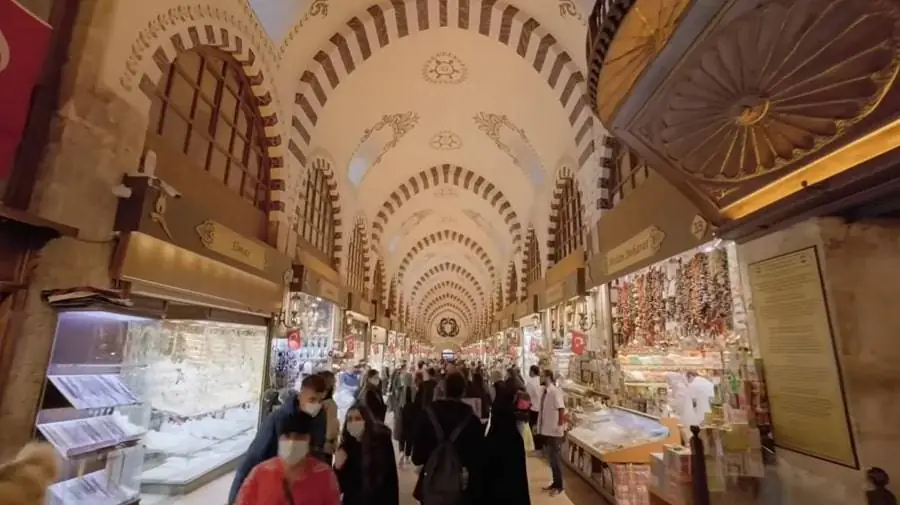
Explore the Domed Interior Hallways of Istanbul's historic Spice Bazaar (Mısır Çarşısı), a sensory journey through Ottoman architecture and centuries of trade in Turkey.
<h2>Overview</h2> <p>Stepping into the Spice Bazaar, known locally as Mısır Çarşısı or the Egyptian Bazaar, in Istanbul, Turkey, is an immersive journey for the senses. Beyond the vibrant displays of spices, teas, and Turkish delights, the very architecture of this historic marketplace invites admiration. The bazaar is characterized by its magnificent domed interior hallways, a testament to Ottoman classical design. These vaulted passages, constructed from successive rows of stone and brick, create a distinctive atmosphere, guiding visitors through a labyrinth of fragrant stalls.</p> <p>The Spice Bazaar, an L-shaped structure, is one of Istanbul's largest covered markets and houses approximately 88 vaulted rooms, each contributing to the bazaar's unique architectural character. While primarily famous for its historical role in the spice trade, the structure itself, with its impressive domes and arches, is a significant cultural landmark. These interior spaces are not merely functional; they encapsulate centuries of history and trade, making a stroll through them an essential part of the Istanbul experience.</p> <h2>History & Cultural Background</h2> <p>The history of the Spice Bazaar is deeply intertwined with the New Mosque (Yeni Camii) complex, which it was designed to help finance. Construction of the bazaar began in 1660, following Istanbul's Great Fire of 1660, and was completed around 1664. It was commissioned by Sultana Turhan Hatice, the mother of Sultan Mehmed IV, as part of a larger rebuilding effort for the city.</p> <p>Originally known as the 'New Bazaar' or 'Valide Bazaar', it earned its enduring name, Mısır Çarşısı (Egyptian Bazaar), because it was built with revenues from the Ottoman province of Egypt. Furthermore, many of the exotic goods, particularly spices, sold within its walls were imported from Egypt. For centuries, it stood as the epicentre of Istanbul's spice trade, a crucial hub along the Silk Road and maritime spice routes, connecting East and West. The architectural style, a hallmark of the Ottoman Classical period, features robust stone and brick construction, creating the vaulted ceilings and domes that define its interior.</p> <h2>What Makes It Special</h2> <p>The domed interior hallways of the Spice Bazaar are special because they offer a tangible connection to the past. Unlike modern shopping centers, these passages are an integral part of a historical monument, reflecting the sophisticated urban planning and architectural prowess of the Ottoman Empire. The consistent use of domes and vaults throughout the bazaar's L-shaped layout provides a sense of grandeur and enclosure, creating an intimate yet expansive environment for trade.</p> <p>Beyond their structural function, these domed spaces are aesthetically captivating. Natural light often filters through, highlighting the textures of the old stone and the vibrant colours of the merchandise below. The acoustics within these vaulted hallways also contribute to the unique atmosphere, amplifying the lively chatter of vendors and shoppers, and the calls for attention, all creating a rhythmic hum that has echoed for centuries. The intersection of the bazaar's two main branches even features a larger cross-vaulted praying square, showcasing the thoughtful integration of public space within a commercial setting.</p> <h2>Stories, Fun Facts & Local Details</h2> <p>While specific historical anecdotes about the 'Domed Interior Hallways' themselves are rare, the stories of the Spice Bazaar are woven into its very fabric. Imagine traders from distant lands, their caravans laden with exotic spices and perfumes, navigating these very passages, bringing new aromas and flavors to the Ottoman capital. The bazaar was not just a place for commerce; it was a cultural melting pot where different languages, customs, and ingredients converged.</p> <p>A fun fact is that the Turkish word 'mısır' has a dual meaning: 'Egypt' and 'maize' (corn). This sometimes leads to the bazaar being mistakenly called the 'Corn Bazaar', a charming linguistic quirk that underscores its deep historical ties to Egypt.</p> <p>Historically, the bazaar also served as a source for medicinal remedies, with herbalists offering concoctions and teas for various ailments, a tradition that subtly continues today in some shops. Walking through, one can almost sense the lingering echoes of countless transactions and cultural exchanges that have taken place under these very domes, making each visit a journey through time.</p> <h2>Visitor Perspective</h2> <p>For visitors, traversing the domed interior hallways of the Spice Bazaar is an experience that engages all senses. The eye is drawn upwards to the elegant curves of the domes and arches, while below, a kaleidoscope of colours bursts forth from neatly stacked spices, dried fruits, and vibrant textiles. The air is thick with the intoxicating blend of cinnamon, saffron, mint, and countless other aromas, a fragrant tapestry that changes with every few steps.</p> <p>The natural narrative flow of the bazaar guides you through its L-shaped corridors, revealing new treasures around each corner. Though it can be bustling, especially on weekends, the covered nature of the hallways provides a sense of intimacy and discovery. It's a place where one can easily spend an hour or two, not just shopping, but absorbing the vibrant atmosphere, appreciating the historical architecture, and feeling the pulse of Istanbul's enduring mercantile spirit. It is a more manageable and perhaps less overwhelming experience than the larger Grand Bazaar, making it a delightful exploration for those seeking both history and sensory delight.</p>
Location
Coordinates: 28.970381, 41.016487
View on Google Maps