Diplodocus Cast
London, United Kingdom

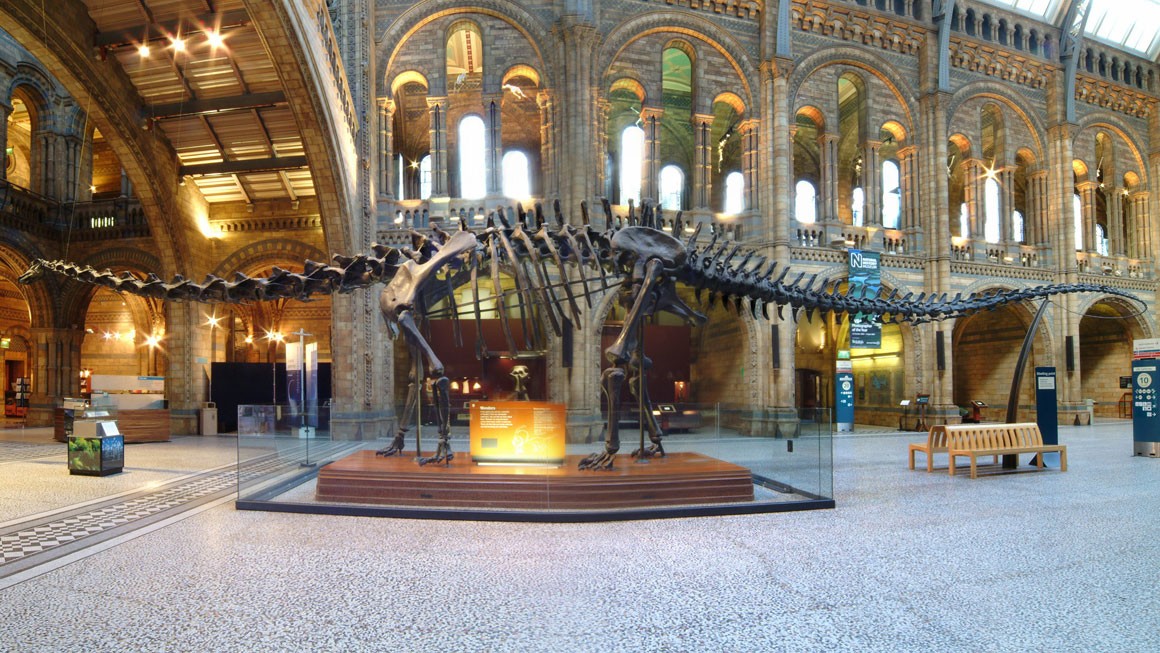
Explore the iconic Diplodocus Cast, affectionately known as Dippy, a historical centerpiece of London's Natural History Museum. Discover its fascinating story and legacy.
<h2>Overview</h2><p>Stepping into London's Natural History Museum, generations of visitors have been met with a sight that instantly evokes the majesty of prehistory: the towering Diplodocus Cast. Affectionately known as 'Dippy', this remarkable plaster cast replica of a Diplodocus skeleton has long stood as an iconic symbol of the museum and a beloved figure in the United Kingdom's cultural landscape. While the original plaster cast of Dippy is currently on a long-term loan, captivating audiences in Coventry, its spirit and monumental legacy remain a cornerstone of the Natural History Museum's story. A new bronze cast, named 'Fern', now graces the museum's recently transformed gardens, continuing the Diplodocus's enduring presence at this esteemed institution. Dippy's journey from a colossal fossil discovery in Wyoming to a cherished national treasure speaks volumes about our fascination with the ancient world and the power of scientific representation.</p><h2>History & Cultural Background</h2><p>The story of the Diplodocus Cast begins in 1898, with the discovery of an almost complete Diplodocus skeleton in Wyoming, USA. This 'most colossal animal on earth' quickly caught the attention of Scottish-American industrialist Andrew Carnegie, who acquired the bones for his museum in Pittsburgh. A few years later, in 1902, Britain's King Edward VII was captivated by a sketch of the dinosaur while visiting Carnegie. Expressing a keen desire for a similar specimen for London, Carnegie graciously commissioned a plaster cast replica as a gift to the British Museum (from which the Natural History Museum later separated). The 26-meter-long cast arrived in London in 36 crates in 1905, taking months to assemble before its grand unveiling on May 12 of that year. Dippy quickly became a public sensation, a marvel that connected millions with the ancient past. During the tumultuous years of World War II, this invaluable cast was carefully disassembled and moved to the museum's basement for protection against potential bomb damage, safeguarding its future for generations to come.</p><h2>What Makes It Special</h2><p>What makes the Diplodocus Cast truly special is not merely its immense size, but its role as a world-renowned replica and a beacon of palaeontological education. Composed of 292 individual plaster bones, Dippy is a meticulous copy of a Diplodocus carnegii skeleton, a species named after its benefactor, Andrew Carnegie. It measures an impressive 26 meters (85 feet) in length and stands over 4 meters high, representing a creature that lived approximately 154-150 million years ago during the Late Jurassic period. Unlike a real fossil skeleton, Dippy's status as a cast allowed it to travel and inspire, making the wonders of dinosaurs accessible to a global audience. Indeed, Carnegie funded several such casts, which were sent to major museums across the world, from Paris to St. Petersburg, making Dippy a truly international ambassador for natural history.</p><h2>Stories, Fun Facts & Local Details</h2><p>The affection for the Diplodocus Cast is deeply ingrained in British culture. 'Dippy' is not just a scientific exhibit; it is a character, a friend to countless schoolchildren and families who have visited the Natural History Museum. For decades, it held pride of place in the magnificent Hintze Hall, the museum's central space, from 1979 until 2017. Its posture changed over the years; originally, its tail drooped, but it was later raised to soar over visitors' heads. In 2017, Dippy embarked on a momentous 'Dippy on Tour' exhibition, travelling to eight venues across the UK and being seen by over two million people, inspiring a deeper connection with nature across the country. The name 'Diplodocus' itself offers a fun linguistic detail, deriving from ancient Greek words 'diplos' and 'dokos', meaning 'double beam', a reference to the unique double-beamed chevron bones found on the underside of its tail. Though the original plaster cast is currently on loan in Coventry, a new bronze cast named 'Fern' has been installed in the museum's gardens, ensuring the Diplodocus's continued presence and narrative within the museum's evolving outdoor spaces.</p><h2>Visitor Perspective</h2><p>For millions of visitors, encountering the Diplodocus Cast at the Natural History Museum was a formative experience, igniting a lifelong fascination with dinosaurs and the natural world. It was often the first enormous dinosaur many people ever saw, its sheer scale fostering a sense of wonder and humility. The majestic form of Dippy, even as a replica, offered a tangible link to creatures that roamed the Earth millions of years ago, making distant geological eras feel immediate and real. Its historical presence in Hintze Hall made it an iconic meeting point and a photo opportunity for generations. While the original plaster cast is currently inspiring new audiences on its journey, its legacy at the Natural History Museum is undeniable. The museum continues to honour this iconic figure, ensuring that the story of the Diplodocus, a testament to scientific curiosity and the grandeur of life's history, remains a vibrant part of the visitor experience, whether through its historical narratives or its new artistic representation in the gardens.</p>
Location
Coordinates: -0.176484, 51.496727
View on Google Maps