Dai Pai Dong Food Stalls
Hong Kong, China

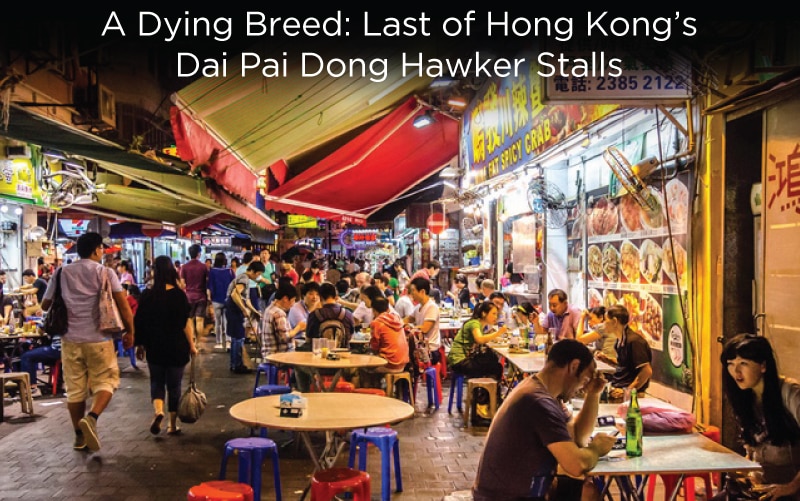
Discover the vibrant Dai Pai Dong Food Stalls in Temple Street Night Market, Hong Kong, China. Experience authentic open-air street food, rich history, and local delicacies like spicy crab and clay pot rice.
<h2>Overview</h2><p>Stepping into the vibrant atmosphere of Temple Street Night Market in Hong Kong, China, one is immediately enveloped by the alluring scents and sounds of the Dai Pai Dong food stalls. These iconic open-air eateries are more than just places to eat; they are a living testament to Hong Kong's rich street food culture and a vital part of its collective memory. The term 'Dai Pai Dong' itself, meaning 'big license stall', refers to a unique type of street food vendor that has shaped the city's culinary landscape for decades.</p><p>While the larger Temple Street Night Market is a bustling hub of commerce and entertainment, the Dai Pai Dong stalls are where the true heart of local gastronomy beats. Here, amidst the lively chatter and the rhythmic clatter of woks, visitors can experience authentic Cantonese cuisine in a distinctly unpretentious setting. These stalls are famed for their ability to deliver dishes bursting with 'wok hei' – a smoky, aromatic flavor imparted by expertly stir-frying ingredients over high heat.</p><h2>History & Cultural Background</h2><p>The origins of the Dai Pai Dong trace back to the mid-19th century and the hawker licensing system established during that period. Their proliferation, however, significantly increased after World War II. In an effort to provide a livelihood for families of civil servants who were either deceased or injured during the war, the British Hong Kong government issued special, larger licenses to operate public food stalls. Locals affectionately dubbed these permits 'dai pai' or 'big licenses' due to their physical size, leading to the enduring name 'Dai Pai Dong'.</p><p>Throughout the 1950s, 60s, and 70s, these stalls thrived, becoming particularly popular among the working class who sought affordable yet delicious meals. They functioned as essential social hubs, where people gathered not only to eat but also to connect and converse. However, starting in the 1970s and 80s, government policies aimed at urban development, improving hygiene, and alleviating traffic congestion led to restrictions. New licenses stopped being issued, and many existing ones were bought back or relocated to indoor cooked-food markets. Despite their diminishing numbers, Dai Pai Dongs are cherished as a valuable part of Hong Kong's heritage and culture.</p><h2>What Makes It Special</h2><p>What truly sets Dai Pai Dong food stalls apart is their distinctive atmosphere and culinary style. These are open-air kitchens characterized by their often green-painted steel structures, an untidy yet charming ambiance, and a complete lack of air conditioning, offering a raw and authentic street dining experience. Diners sit on simple plastic stools at metal tables, often right on the street, immersed in the sights and sounds of the city.</p><p>The food itself is a celebration of Cantonese cooking, known for being low-priced but incredibly flavorful. The 'wok hei' is a coveted characteristic, indicative of a chef's skill and the rapid, intense cooking methods used. Many dishes are cooked fresh and served quickly, embodying the fast-paced spirit of Hong Kong. Signature offerings often include clay pot rice, stir-fried noodles, succulent deep-fried squid, and spicy crab. Other classics like congee, Hong Kong-style milk tea, roasted meats, and various fried rice dishes are also staples. Remarkably, some of these humble stalls have even garnered Michelin recommendations, a testament to their culinary excellence.</p><h2>Stories, Fun Facts & Local Details</h2><p>The Dai Pai Dong's place in Hong Kong culture is so significant that the term was officially recognized by the Oxford English Dictionary in March 2016. In their heyday during the 1950s, these lively open-air eateries earned the nickname 'poor people's nightclub' due to their affordability and role as vibrant social gathering spots.</p><p>A visit to a Dai Pai Dong, particularly within Temple Street Night Market, is an immersive experience. It's common to find yourself sharing a table with strangers, a practice that fosters a sense of community and provides a unique insight into local life. Temple Street itself is rich with local color, featuring not just food but also fortune-tellers, traditional Chinese opera performances, and a myriad of stalls selling everything from trinkets to clothing. The market is even colloquially known as 'Men's Street' because of its historical appeal to male shoppers. The spicy crab dishes found here are particularly renowned and a must-try for many visitors.</p><h2>Visitor Perspective</h2><p>For many travelers, dining at a Dai Pai Dong is considered a quintessential Hong Kong food experience and a cultural rite of passage. It offers an authentic, unvarnished glimpse into the city's culinary soul, far removed from upscale dining establishments. The stalls typically come alive after sunset and remain open until late, with the market at its most vibrant between 7 PM and 10 PM. The atmosphere is a feast for the senses, with the enticing aromas of cooking, the sizzle of woks, and the lively cacophony of diners and vendors creating an unforgettable ambiance.</p><p>While the experience is undeniably rich, travelers should be prepared for a no-frills environment. Seating can be basic, often involving plastic stools, and tables are frequently shared. It's also worth noting that many of these traditional stalls operate on a cash-only basis, so having local currency on hand is advisable. Despite these simple conditions, the genuine warmth of the hospitality and the delicious, fresh food make a visit to the Dai Pai Dong food stalls in Temple Street Night Market an essential and memorable part of any Hong Kong adventure.</p>
Location
Coordinates: 114.1704, 22.3079
View on Google Maps