Calligraphy and Qur’anic Inscriptions
Istanbul, Turkey

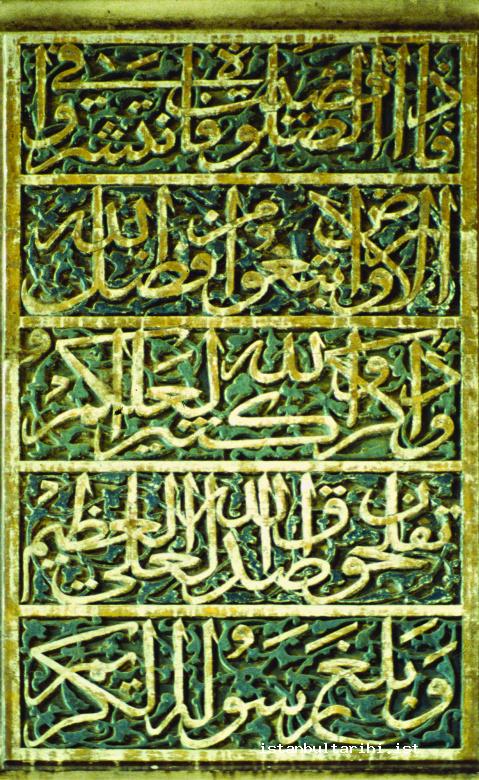
Explore the profound calligraphy and Qur'anic inscriptions within Istanbul's Blue Mosque, revealing layers of Islamic art and history.
<h2>Overview</h2><p>Stepping into Istanbul's magnificent Blue Mosque, officially known as the Sultan Ahmed Mosque, is an experience that transcends mere sightseeing. While its dazzling Iznik tiles give it its popular name, the true soul of this architectural marvel is eloquently expressed through its exquisite calligraphy and Qur’anic inscriptions. These divine scripts are not merely decorative elements; they are theology made visible, weaving sacred words into the very fabric of the building and transforming it into a 'speaking text' for visitors and worshippers alike.</p><p>The calligraphy within the Blue Mosque serves as a profound visual interpretation of Islamic tenets, elevating the written word to the highest form of artistic expression in a sacred space where figurative art is traditionally avoided. It guides the eye and the spirit, inviting contemplation and deepening the connection to the divine.</p><h2>History & Cultural Background</h2><p>The Sultan Ahmed Mosque was commissioned by the young Sultan Ahmed I and constructed between 1609 and 1617. It was a monumental undertaking, designed to assert Ottoman power and piety, and stood as the first imperial mosque built by a sultan since Selim II. The architecture, overseen by Sedefkar Mehmet Agha, a student of the renowned Mimar Sinan, aimed for grandeur and spiritual depth. Central to this vision was the integration of calligraphy, entrusted to one of the most celebrated Ottoman calligraphers of the time, Seyyid Kasim Gubari.</p><p>In Islamic tradition, calligraphy has always held immense cultural and religious significance. It is considered a sacred art, a means of conveying the divine message of the Qur'an with beauty and reverence. In the context of an imperial mosque like the Blue Mosque, these inscriptions also served to reinforce the religious foundations of the empire and its ruler. The carefully chosen verses and names were designed to inspire and educate the faithful, acting as a constant reminder of core Islamic beliefs.</p><h2>What Makes It Special</h2><p>The calligraphy in the Blue Mosque is particularly special due to its monumental scale, artistic mastery, and thoughtful integration into the architecture. The dominant script style employed is Jali Thuluth (Celi Sülüs in Turkish), known for its elegant, cursive flow and sweeping curves, perfectly suited for large-scale architectural application. Seyyid Kasim Gubari had to meticulously design compositions that harmonized with the soaring curves of the 43-meter-high dome and fit seamlessly within vast circular panels and along arches.</p><p>Among the most striking features are the massive circular panels hanging from the four colossal piers supporting the main dome. These panels bear the sacred names of Allah, Muhammad, the Four Rightly Guided Caliphs (Abu Bakr, Umar, Uthman, and Ali), and the Prophet's grandsons (Hasan and Husayn), serving as a visual catechism for the faithful. At the apex of the central dome, reinforcing its symbolism as the vault of heaven, is inscribed Surah An-Nur (24:35), famously known as the 'Verse of Light': 'Allah is the Light of the heavens and the earth...' This verse was ingeniously chosen to synthesize text and experience, as the mosque's 260 windows flood the space with natural light, allowing worshippers to literally read about God as light while being bathed in it. Additionally, verses from Surah Al-Fatiha, 'The Opening,' often grace the entrances, serving as a spiritual threshold for those entering the sacred space.</p><h2>Stories, Fun Facts & Local Details</h2><p>The collaboration between architect Sedefkar Mehmet Agha and calligrapher Seyyid Kasim Gubari was crucial, ensuring that the divine script wasn't just applied but became an inseparable part of the structure. Gubari's work was renowned, though much of the original calligraphy has undergone restoration over the centuries. The circular composition of the calligraphy, particularly in the dome, offers a profound symbolic meaning: with no beginning and no end, it visually represents God's infinite and eternal nature.</p><p>While the Blue Mosque is famous for its blue Iznik tiles, which represent the sky and heaven, creating a serene atmosphere, the calligraphy adds another layer of spiritual depth. The interplay of light filtering through the stained-glass windows, reflecting off the tiles, and illuminating the intricate scripts creates an otherworldly ambiance. It's a testament to the Ottoman Empire's artistic prowess, where every element, from tilework to script, contributed to a cohesive and deeply meaningful whole.</p><h2>Visitor Perspective</h2><p>For any curious traveler, the calligraphy and Qur’anic inscriptions offer a unique window into Islamic art and spirituality. As you walk through the mosque, looking up at the majestic dome and the grand panels, you're not just observing art; you're engaging with centuries of faith and culture. The sheer scale and detail of the inscriptions are awe-inspiring, compelling you to pause and reflect on the messages they convey. It's an opportunity to appreciate calligraphy not just as beautiful handwriting, but as a living art form that speaks volumes about the beliefs and aesthetic values of its creators. The inscriptions enhance the mosque's spiritual atmosphere, making a visit to the Blue Mosque a truly enriching and contemplative experience, leaving an indelible impression of its divine beauty.</p>
Location
Coordinates: 28.977114, 41.005745
View on Google Maps