Antalya Museum
Antalya, Turkey

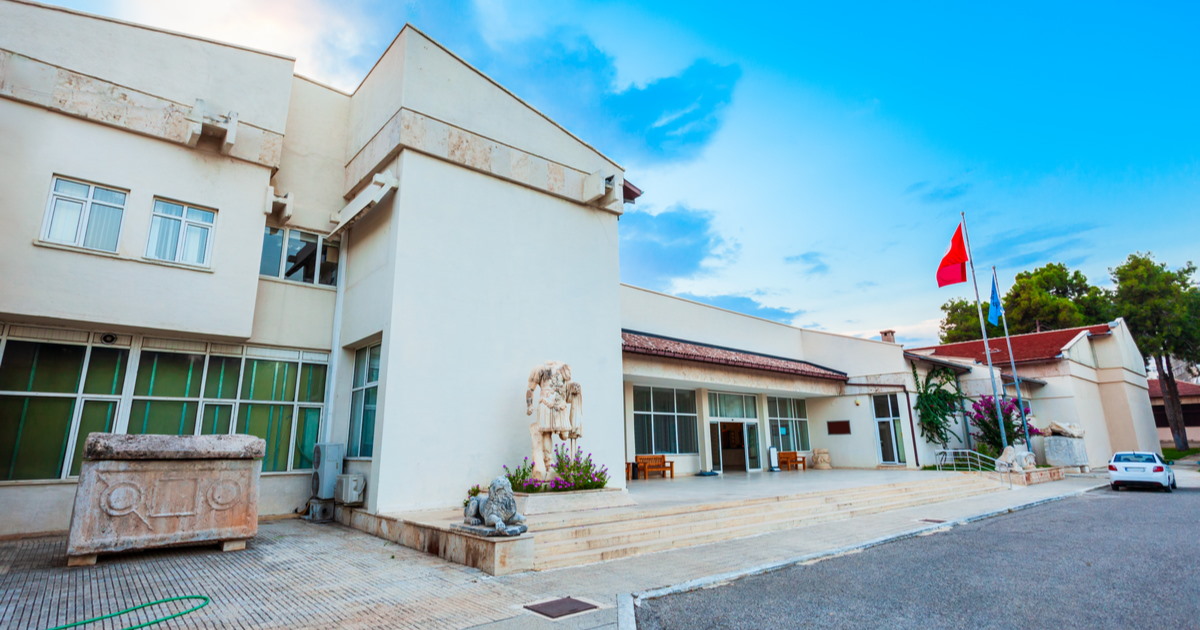
Explore Antalya Museum in Antalya, Turkey, one of the nation's largest archaeological museums, showcasing Anatolia's rich history from prehistory to the Ottoman era.
<h2>Overview</h2><p>The Antalya Museum, also known as the Antalya Archaeological Museum, stands as one of Turkey's largest and most significant museums, a treasure trove illuminating the rich history of the Mediterranean and Pamphylian regions in Anatolia. Located in Muratpaşa, Antalya, this expansive institution covers an area of 7,000 square meters, housing approximately 5,000 works of art on display, with a further 25,000–30,000 artifacts held in storage. It offers a chronological journey through human history, from the Paleolithic Age to the Ottoman period, making it an indispensable stop for anyone eager to grasp the profound cultural layers of this vibrant Turkish city.</p><p>The museum's comprehensive collections, thoughtfully arranged across 13 exhibition halls and an open-air gallery, provide a vivid narrative of the civilizations that have thrived in and around Antalya. From prehistoric findings unearthed from ancient caves to magnificent Roman sculptures and intricate Ottoman artifacts, the Antalya Museum presents a truly immersive historical experience.</p><h2>History & Cultural Background</h2><p>The establishment of the Antalya Museum is rooted in a compelling story of cultural preservation at the end of World War I. During the Italian military occupation of Antalya, Italian archaeologists began removing archaeological treasures from the city center. To safeguard these invaluable historical assets, Süleyman Fikri Bey, a dedicated teacher and advisor to the Sultan, took initiative. In 1919, he applied to the provincial governor and was appointed as the voluntary curator of antiquities, subsequently establishing the first Antalya Museum.</p><p>Initially, the museum's collections were housed in the Alâeddin Mosque starting in 1922, and later moved to the Yivli Minare Mosque from 1937 to 1972. It eventually relocated to its current purpose-built facility in 1972. Following extensive modifications and restorations, the museum was reorganized according to modern museum concepts and proudly reopened to the public in April 1985. Its efforts in preserving and showcasing regional heritage were recognized internationally when it won the 'European Council Special Prize' in 1988.</p><h2>What Makes It Special</h2><p>What truly sets the Antalya Museum apart is its unparalleled focus on the archaeological diversity and cultural richness of the specific regions it represents: Lycia, Pamphylia, and Pisidia. The museum excels in illustrating the relationships and cultural interactions of civilizations that have flourished around the Mediterranean throughout history.</p><p>One of its most acclaimed sections is the Hall of Imperial Statues, featuring an extraordinary collection of Roman sculptures primarily excavated from the ancient city of Perge. These life-sized statues of emperors, empresses, and other notable figures, including a monumental statue of Plancia Magna, offer a rare glimpse into the Roman world's artistic prowess and political landscape. The meticulous restoration of these pieces allows visitors to appreciate their original grandeur.</p><p>The Sarcophagus Hall is another highlight, showcasing elaborate sarcophagi from the Roman period, often adorned with intricate carvings depicting mythological scenes or the lives of the deceased. Noteworthy examples include the Domitias sarcophagus and one illustrating the twelve labors of Hercules, reflecting the artistic and funerary customs of ancient times.</p><h2>Stories, Fun Facts & Local Details</h2><p>Imagine walking through halls where the very ground beneath your feet whispers tales of Neanderthals and mighty Roman emperors. The Pre-History Hall, for instance, displays artifacts from the Karain Cave, one of the oldest human settlements in Anatolia, offering fascinating insights into early human life, including animal fossils and ancient kitchen utensils.</p><p>A less-known but equally captivating exhibit is the Hall of Coins, which features not only an impressive array of coinage from various civilizations but also the famed 'Elmalı Coins,' also known as the 'Treasure of the Century.' This collection, particularly the Aspendos treasure consisting of 206 silver staters, tells a dramatic story of wealth hidden away in haste, perhaps due to the approach of Alexander the Great in 332 BC.</p><p>The museum also includes a charming Children's Section, designed to introduce younger visitors to archaeology in an engaging and interactive way. This thoughtful inclusion makes history accessible for all ages, proving that learning about the past can be an exciting adventure for the whole family.</p><h2>Visitor Perspective</h2><p>A visit to the Antalya Museum is a profound journey through time, best experienced with comfortable shoes and an inquisitive mind. The chronological and thematic arrangement of the exhibits guides you seamlessly from one era to the next, making the vast collection manageable and highly engaging. Plan for at least two to three hours to properly explore the diverse halls, allowing ample time to appreciate the intricate details of the artifacts and the stories they tell.</p><p>Conveniently located, the museum is easily accessible by public transport, with the 'Müze' tram stop right nearby. Beyond the indoor exhibits, the museum also features an open-air area and a pleasant garden, perfect for a short break. It's often recommended to visit the museum before venturing to nearby ancient sites like Perge or Karain Cave, as the museum's context enriches the understanding of those historical landscapes.</p>
Location
Coordinates: 30.6797, 36.8856
View on Google Maps