Ancient Tombs and Stone Arches
Antalya, Turkey

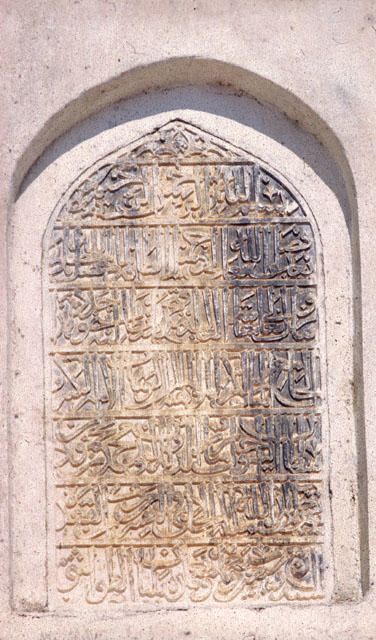
Explore Ancient Tombs and Stone Arches within the Yivli Minaret Mosque complex in Antalya, Turkey. Discover Seljuk and Ottoman history.
<h2>Overview</h2><p>Nestled within the heart of Antalya's historic Kaleiçi district, the Yivli Minaret Mosque complex is a captivating tapestry of history, where the whispers of the past echo through its ancient stones. Beyond its iconic fluted minaret, this sprawling külliye, or complex of buildings, holds lesser-known yet equally compelling treasures: ancient tombs and magnificent stone arches that narrate tales of Seljuk and Ottoman eras. It is a place where every corner invites a moment of reflection, revealing layers of civilizations that have shaped Antalya into the vibrant city it is today.</p><p>As you wander through the serene grounds, you'll encounter architectural elements that speak volumes of an enduring legacy. The integration of ancient structures and the quiet dignity of the tombs offer a profound connection to the historical figures who once graced these lands. The site is a testament to cultural continuity, a place where time seems to slow, allowing visitors to absorb the historical richness that pervades the very air of this spiritual and architectural marvel.</p><h2>History & Cultural Background</h2><p>The Yivli Minaret Mosque, established around 1230 by the Seljuk Sultan Alaaddin Keykubad I, stands as one of Antalya's earliest Islamic structures, built upon the foundations of a ruined Byzantine church. This practice of repurposing and integrating elements from previous civilizations is a hallmark of the region's complex history. The mosque's unique minaret, with its distinctive fluted design, has long served as a symbol of Antalya, guiding both seafarers and merchants through centuries.</p><p>The külliye itself evolved over time, expanding to include a madrasa, a dervish lodge (Mevlevihane), and several tombs, reflecting its importance as a cultural and religious hub. The current mosque structure, a multi-domed prayer hall, was rebuilt in 1373 by Mehmet Bey, incorporating columns adorned with ancient capitals, likely salvaged from Roman or Byzantine-era buildings, into its support system. This ingenious reuse of materials highlights the pragmatic and artistic sensibilities of its builders. Recent archaeological excavations within the complex have even brought to light dozens of graves, reinforcing the site's long-standing role as a place of burial and reverence.</p><h2>What Makes It Special</h2><p>What truly sets the 'Ancient Tombs and Stone Arches' within the Yivli Minaret complex apart is their embodiment of historical layering and architectural ingenuity. The most prominent of these are the tombs of Zincirkıran Mehmet Bey and Nigar Hatun. The tomb of Zincirkıran Mehmet Bey, an octagonal structure, stands near the dervish lodge, while the smaller tomb of Nigar Hatun, believed to be a queen from the Ottoman era, is situated between the mosque and the lodge. These burial sites offer a tangible link to influential figures, providing a glimpse into the social hierarchy and customs of their respective periods.</p><p>Furthermore, the stone arches and columns found throughout the mosque's prayer hall are not merely structural; they are historical artifacts in themselves. Many of these columns are topped with 'ancient capitals', repurposed from Roman or Byzantine ruins. This architectural 'spolia'—the reuse of building materials from older structures—showcases a fascinating interchange of developments in architecture and a resourceful approach to construction. The madrasa's portal, though partly in ruins, still exhibits its grand arched entrance with intricate carved borders, reflecting the artistic flair of Seljuk craftsmanship.</p><h2>Stories, Fun Facts & Local Details</h2><p>Legend has it that the 90 steps leading up the Yivli Minaret might have originally been 99, mirroring the 99 names of Allah in Islamic tradition, a detail that, while not definitively proven, adds a mystical layer to its impressive height. The reuse of ancient column heads in the mosque's interior suggests a story of adaptation and reverence for past civilizations. Imagine the skilled Seljuk artisans carefully selecting these pre-existing architectural elements, integrating them into a new spiritual space, effectively bridging millennia of artistic and cultural expression.</p><p>During a significant restoration in 2007, an intriguing discovery was made beneath the mosque: historic water channels. These channels, now visible through a glass floor section, reveal an advanced heating and cooling system from centuries past, using hot and cold water to regulate the building's temperature, a testament to the ingenuity of earlier engineers. The külliye also once housed the Antalya Museum, highlighting its continuous role as a keeper of history and culture. The area around the Yivli Minaret is considered the oldest part of Antalya, a place where locals and visitors alike can still feel the pulse of the city's ancient origins. Walking through this area is like stepping into a living museum, where modern life unfolds amidst enduring historical grandeur.</p><h2>Visitor Perspective</h2><p>Approaching the Yivli Minaret Mosque complex, you are immediately drawn into an atmosphere steeped in history. The fluted minaret proudly dominates the skyline, but it's the exploration of the surrounding structures, particularly the ancient tombs and the intricate stone arches, that offers a more intimate journey into the past. Picture yourself standing before the solemn tombs of Zincirkıran Mehmet Bey and Nigar Hatun, contemplating their lives and the eras they represent. These quiet resting places evoke a sense of reverence and continuity, reminding us of the human stories woven into the fabric of this ancient site.</p><p>Inside the mosque, take a moment to admire the robust columns, each crowned with a capital bearing the marks of a distant Roman or Byzantine past. The arches they support create an elegant and spacious prayer hall, a serene environment for reflection. The recently excavated areas, showcasing former graves, provide a poignant connection to generations past who lived and were laid to rest within these sacred grounds. This complex is more than just a collection of old buildings; it is a profound historical experience, inviting you to connect with the deep roots of Antalya and appreciate the harmonious blend of diverse cultural heritages.</p>
Location
Coordinates: 30.70444, 36.88639
View on Google Maps